






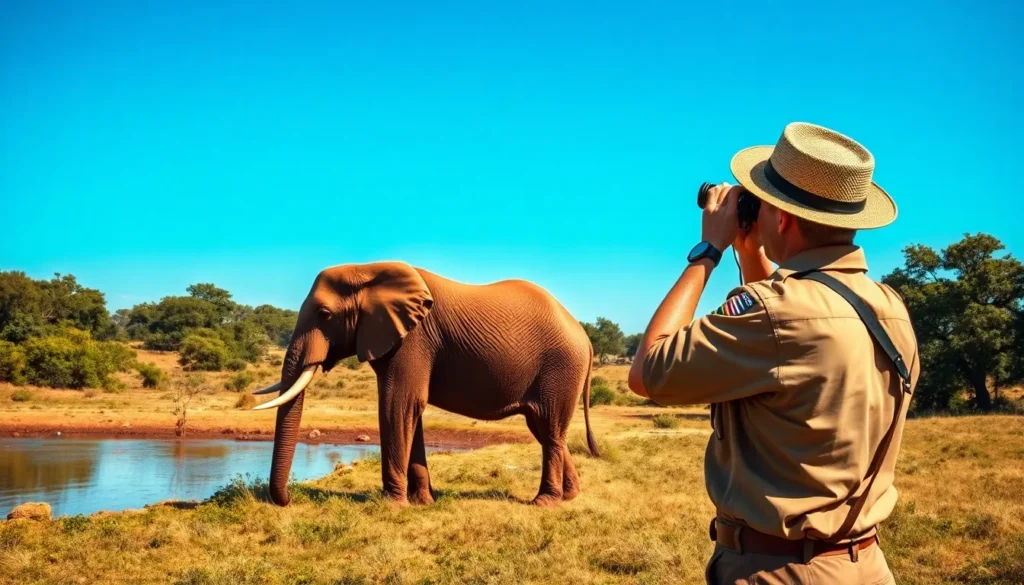
In a world where the only thing that should be hunted is a good Wi-Fi signal, poaching is the unwelcome party crasher. This illegal practice not only threatens wildlife but also leaves a trail of ecological chaos that even the best cleanup crew can’t handle. Imagine a world where elephants roam freely, and rhinos don’t have to wear armor just to survive. That’s the world everyone wants, but poaching stands in the way like a stubborn bouncer at a club.
Understanding Poaching
Poaching represents a serious threat to wildlife and ecosystems. This illegal activity encompasses the hunting, capturing, or killing of animals in violation of laws, regulations, or conservation efforts.
Definition of Poaching
Poaching refers to the unlawful capture or killing of wildlife. It targets protected species, including elephants, rhinos, and tigers. This act typically occurs outside permitted hunting seasons or designated areas. Poaching includes not only hunting but also trafficking in endangered species or their parts, such as ivory and horns. Wildlife conservationists actively combat poaching to protect biodiversity and maintain balanced ecosystems.
Causes of Poaching
Several factors contribute to the prevalence of poaching. Economic incentives drive many individuals to engage in illegal hunting. High prices for animal products, such as ivory and fur, create lucrative markets. Poverty often pushes communities to rely on poaching for income. Additionally, lack of enforcement and limited law access enable poachers to operate with impunity. Social and cultural factors, including traditional beliefs surrounding animal parts, also motivate poaching activities.
The Impact of Poaching
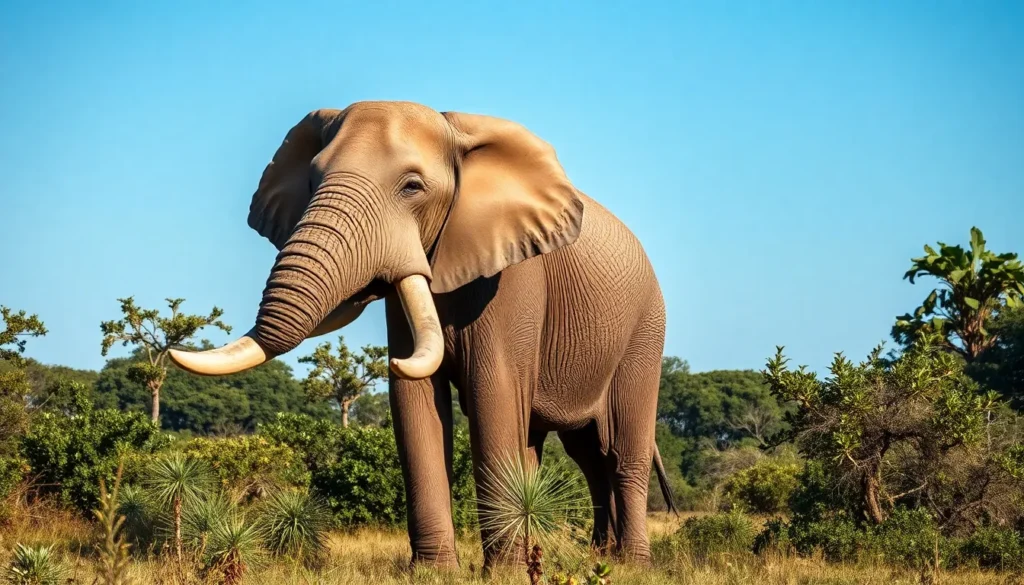
Poaching severely impacts wildlife and ecosystems. It threatens various species with extinction and disrupts natural balances.
Effects on Wildlife Populations
Poaching results in dramatic declines in wildlife populations. Rhinos, for example, face severe risks due to their horns’ high market value. Elephants also suffer as their tusks drive illegal hunting. Over the past century, Africa has witnessed a 97% decline in certain elephant populations due to poaching activities. Reduced numbers impair reproductive viability, leading to diminished genetic diversity. A decrease in populations can cascade through ecosystems, affecting interdependent species.
Environmental Consequences
Environmental consequences of poaching extend beyond individual species. Habitat destruction often occurs when poachers invade protected parks and nature reserves. This destruction causes disruptions in ecosystem services like water filtration and pollination, leading to further degradation. Additionally, when top predators are targeted, prey populations may explode, resulting in overgrazing and habitat loss. Biodiversity losses influence ecosystem resilience, making recovery from other environmental stresses increasingly difficult. Thus, poaching’s effects ripple throughout ecosystems, exacerbating long-term challenges for conservation efforts.
Global Efforts to Combat Poaching
Global initiatives focus on eradicating poaching through various strategies and collaborations aimed at protecting wildlife.
Legislation and Protection Measures
Governmental agencies implement strict laws to deter poaching activities. Numerous countries have established protected areas where hunting is strictly prohibited. These legal frameworks often include severe penalties for offenders. Enforcement agencies rely on wildlife rangers, who patrol these zones to prevent illegal activities. International agreements, like the Convention on International Trade in Endangered Species, play a crucial role, regulating the trade of endangered species. Additionally, improved tracking technology enhances monitoring efforts, allowing for more effective responses to poaching incidents.
Role of Conservation Organizations
Conservation organizations act as pivotal players in efforts against poaching. They advocate for stronger legislation and engage communities to raise awareness about conservation. Education programs highlight the significance of biodiversity and the repercussions of losing wildlife. Collaborations with law enforcement enhance anti-poaching operations through training and resource sharing. Organizations often conduct wildlife surveys, providing valuable data on population trends that inform conservation strategies. Fundraising initiatives help finance on-ground efforts, ensuring the continuity of these programs.
Case Studies
Poaching significantly impacts various wildlife species and catalyzes numerous conservation initiatives.
Notable Species Affected
Elephants, rhinos, tigers, and pangolins represent some of the notable species affected by poaching. African elephants, for example, have suffered a staggering 97% decline in population over the last century due to illegal ivory trade. Rhinos face a similar fate, with their horns fetching high prices in black markets, leading to dramatic reductions in their numbers. Tigers, often hunted for their skin and bones, encounter severe population drops across Asia. Additionally, pangolins, the most trafficked mammals globally, face relentless hunting pressures, primarily driven by demand for their scales. All these species play critical roles in maintaining ecosystem balance, making their decline alarming.
Successful Anti-Poaching Initiatives
Various successful anti-poaching initiatives demonstrate the effectiveness of concerted efforts. One notable initiative is the use of drones for surveillance in African wildlife reserves, enhancing monitoring capabilities and facilitating quicker responses to poaching incidents. The implementation of community-based conservation programs empowers local populations to engage in protecting wildlife, fostering economic development. Additionally, partnerships between governments and NGOs have resulted in stricter enforcement laws and tougher penalties for offenders. Collaborations with international bodies, like CITES, ensure global support for endangered species protection. These strategies have led to a decrease in poaching incidents in several regions, illustrating that targeted actions yield positive results.
The fight against poaching is far from over. As awareness grows and initiatives expand, the hope for a future where wildlife thrives increases. Protecting endangered species requires a collective effort from governments, conservation organizations, and local communities. By addressing the root causes of poaching and implementing effective strategies, it’s possible to create a sustainable environment for both wildlife and humans. Every action counts in the battle to preserve biodiversity and restore balance to ecosystems. It’s a shared responsibility to ensure that future generations can experience the beauty of nature without the shadow of poaching looming over it.