






In a world where microwave meals reign supreme, advanced cooking techniques offer a tantalizing escape into the culinary arts. Imagine transforming everyday ingredients into gourmet masterpieces that would make even a Michelin-star chef raise an eyebrow. With a sprinkle of science and a dash of creativity, anyone can elevate their cooking game from basic to breathtaking.
Overview of Advanced Cooking Techniques
Advanced cooking techniques transform simple dishes into culinary masterpieces. Sous vide, for instance, involves vacuum-sealing food in a bag and cooking it in a temperature-controlled water bath. This method preserves moisture and flavor, resulting in perfectly cooked proteins like steak and fish.
Another technique, molecular gastronomy, explores the physical and chemical changes of ingredients during cooking. By utilizing tools like liquid nitrogen and siphons, chefs create unexpected textures and flavors. This innovative approach fascinates food enthusiasts with its ability to surprise the palate.
Confit stands out as a traditional technique, often used for preserving meats. Slowly cooking food in its own fat enhances richness and depth. Duck confit exemplifies this method, producing tender, flavorful meat that pairs well with various dishes.
Fermentation also falls under advanced cooking. Through controlled microbial growth, chefs can create unique flavors and enhance the nutritional value of ingredients. Sauerkraut and kimchi showcase the versatility of fermentation in elevating even the simplest vegetables.
Emulsification combines two ingredients that typically don’t mix, like oil and water, to create sauces such as mayonnaise and vinaigrettes. Understanding the science behind emulsification allows chefs to craft creamy, stable sauces that add flavor to dishes.
Techniques such as brining enhance meats by improving moisture retention and flavor. Saltwater solutions can change the texture and taste of proteins, leading to juicier, more flavorful results.
Understanding these techniques enriches culinary knowledge significantly. Mastery of advanced cooking techniques opens doors to endless creative possibilities in the kitchen. Each method, rooted in science, allows for the exploration of new flavors and ingredients.
Sous Vide Cooking
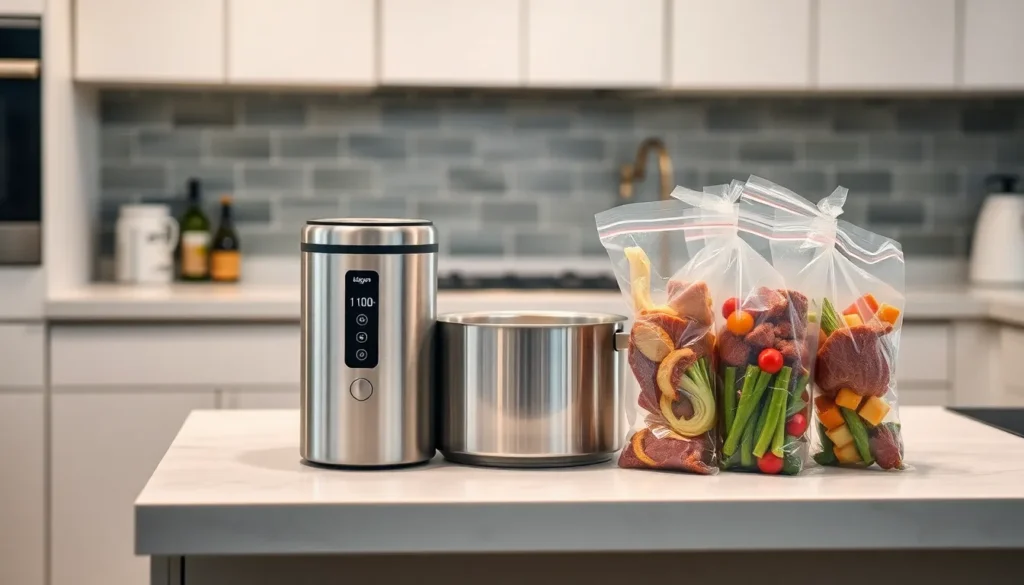
Sous vide cooking enhances the way food is prepared by utilizing precise temperature control. This technique ensures consistent results, allowing chefs to create restaurant-quality dishes at home.
Benefits of Sous Vide
Sous vide cooking maintains moisture and flavor in food, significantly improving taste and texture. Cooking proteins at low temperatures results in evenly cooked meats, eliminating the risk of overcooking. It also enhances nutrient retention, as the vacuum-sealed environment prevents nutrient loss during cooking. Consistency represents another major advantage, allowing cooks to replicate successful dishes efficiently. Additionally, sous vide simplifies meal prep, as food can be cooked in advance and finished just before serving.
Equipment Needed
Sous vide cooking requires specific equipment for optimal results. A precision immersion circulator allows for precise temperature control, ensuring even cooking. Vacuum-sealable bags are essential for removing air from food items, promoting even heat transfer. Large containers or sous vide water baths hold the water and accommodate various food sizes. A food thermometer ensures accurate readings when troubleshooting temperature settings. Finally, a sealing machine facilitates the vacuum process for long-lasting freshness.
Molecular Gastronomy
Molecular gastronomy combines science and culinary arts to create innovative dishes. Chefs utilize chemical processes to enhance flavors, textures, and presentations.
Key Concepts
Molecular gastronomy revolves around several key principles. Understanding the science behind cooking plays a vital role. For example, spherification creates liquid-filled spheres resembling caviar, transforming the dining experience. Emulsification allows for the blending of ingredients that typically do not mix, such as oil and water, resulting in smooth sauces. Techniques like foaming introduce air into liquids, producing unique textures and flavors. Precision is essential; accurate temperature control and timing ensure optimal results.
Techniques to Experiment With
Numerous techniques await exploration in molecular gastronomy. Spherification involves mixing a liquid with sodium alginate and dropping it into a calcium bath, forming delicate pearls. Sous vide cooking can complement this by enhancing the flavor profile of dishes. Techniques like gelification use agar-agar or gelatin to create intriguing textures in desserts or savory dishes. It’s possible to create edible foams with lecithin, elevating presentations. Utilizing these methods encourages creativity, allowing chefs to redefine culinary standards.
Fermentation
Fermentation transforms ingredients through microbial activity, producing unique flavors and textures. This ancient technique makes it possible to preserve food, enhance nutritional value, and create distinct culinary experiences.
Types of Fermentation
Various types of fermentation exist, including lactic acid fermentation, alcoholic fermentation, and acetic acid fermentation. Lactic acid fermentation produces yogurt, sauerkraut, and kimchi. Alcoholic fermentation creates beverages such as beer and wine. Acetic acid fermentation results in vinegar, essential in many culinary applications. Each type contributes to flavor, texture, and preservation, expanding the range of foods available.
Health Benefits of Fermented Foods
Fermented foods offer numerous health benefits. They contain probiotics, which support gut health and digestion. Increased nutrient absorption occurs due to fermentation breaking down compounds in foods. Furthermore, these foods possess antioxidant properties, enhancing overall wellness. A diet rich in fermented options often leads to improved immune function. Regular consumption may also reduce inflammation and support mental health due to the gut-brain connection.
Smoking and Curing
Smoking and curing are traditional methods that enhance flavors and preserve food. Both techniques require careful control of temperature and time.
Cold Smoking vs. Hot Smoking
Cold smoking occurs at temperatures below 85°F (29°C). This process imparts a smoky flavor without cooking the food, making it ideal for ingredients like cheese and cured meats. Hot smoking uses higher temperatures, typically between 165°F (74°C) and 300°F (149°C). This method cooks food while also adding rich flavors. Selecting between the two methods depends on the desired outcome, with cold smoking focusing on flavor enhancement and hot smoking providing both flavor and cooked texture.
Curing Methods
Curing includes various techniques, each serving to preserve. Dry curing involves rubbing salt directly into the food, which draws moisture out and inhibits bacterial growth. Wet curing uses a saltwater brine, allowing even distribution of flavor and moisture. In addition, other methods like sugar curing balance sweetness with savory notes. Each curing method contributes unique flavors and textures to ingredients, ensuring longer shelf life while enhancing overall taste. Understanding these methods enriches culinary skills and opens up new flavor profiles.
Plating and Presentation Skills
Plating and presentation skills play a crucial role in elevating a dish from simple to extraordinary. A visually appealing plate enhances the dining experience and invites diners to engage with the food creatively.
Importance of Visual Appeal
Visual appeal influences perception and enjoyment of a dish. Studies show that attractive plating can enhance flavors and elevate the overall eating experience. Chefs understand that vibrant colors and artistic arrangements can grab attention and stimulate the appetite. Creating balance on the plate, through color variation and contrasting textures, contributes to a dish’s overall appeal. Plates that showcase thoughtful compositions often entice diners and generate excitement around the meal.
Techniques for Stunning Plating
Several techniques exist for achieving stunning plating results. Layering ingredients creates depth and interest. Using the fork or a spoon, skilled chefs can create swoosh designs with sauces that add drama. Playing with height, such as stacking components or using vertical elements, makes plates visually engaging. Edible garnishes provide freshness and enhance color, while texture variation elevates the dining experience. Framing the plate’s edges with sauces or oils adds a finishing touch to capture the eye and the palate. Each technique plays a role in transforming a simple dish into a culinary masterpiece.
Embracing advanced cooking techniques can truly elevate the culinary experience. By mastering methods like sous vide, molecular gastronomy, fermentation, smoking, and curing, home cooks can transform everyday ingredients into extraordinary dishes.
The artistry of plating further enhances this transformation, ensuring that each meal is not only delicious but visually captivating. As individuals experiment with these techniques, they unlock a world of creativity and flavor that redefines their cooking journey.
With practice and passion, anyone can move beyond the confines of microwave meals and explore the endless possibilities that advanced cooking offers. The kitchen becomes a playground for innovation, inviting everyone to create memorable dining experiences.