







In the ever-evolving landscape of streaming services, understanding the differences between Paramount and Paramount Plus has become essential for viewers. Paramount, the iconic film and television studio, has a rich history of producing beloved content, while Paramount Plus aims to elevate that legacy by offering a modern streaming experience.
As audiences seek diverse entertainment options, knowing what each platform provides can help them make informed choices. Paramount focuses on traditional media offerings, while Paramount Plus expands the catalog with original series, live sports, and a vast library of films. This article dives into the key distinctions between these two platforms, helping viewers navigate their streaming journey with ease.
Overview of Paramount and Paramount Plus
Paramount operates as a historical film and television studio, known for producing iconic movies and shows, with a legacy spanning over a century. Its extensive catalog includes classics like “The Godfather” and “Indiana Jones,” appealing to a wide audience.
Paramount Plus serves as the streaming extension of the Paramount brand, enhancing viewer access to content via digital platforms. This service combines a vast selection of films and television series, including original programming like “Star Trek: Discovery” and “The Good Fight.” Paramount Plus focuses on providing on-demand viewing experiences and offers live sports coverage, including NFL games and various special events.
| Feature | Paramount | Paramount Plus |
|---|---|---|
| Type | Film and television studio | Streaming service |
| Content Type | Movies and traditional shows | Movies, shows, live sports |
| Original Programming | Limited | Extensive, includes originals |
| Accessibility | Theatrical and television | On-demand streaming |
| Sports Coverage | None | NFL, UEFA Champions League |
Understanding these distinctions helps viewers choose between conventional content access and the modern convenience of streaming in today’s media landscape.
Key Features of Paramount
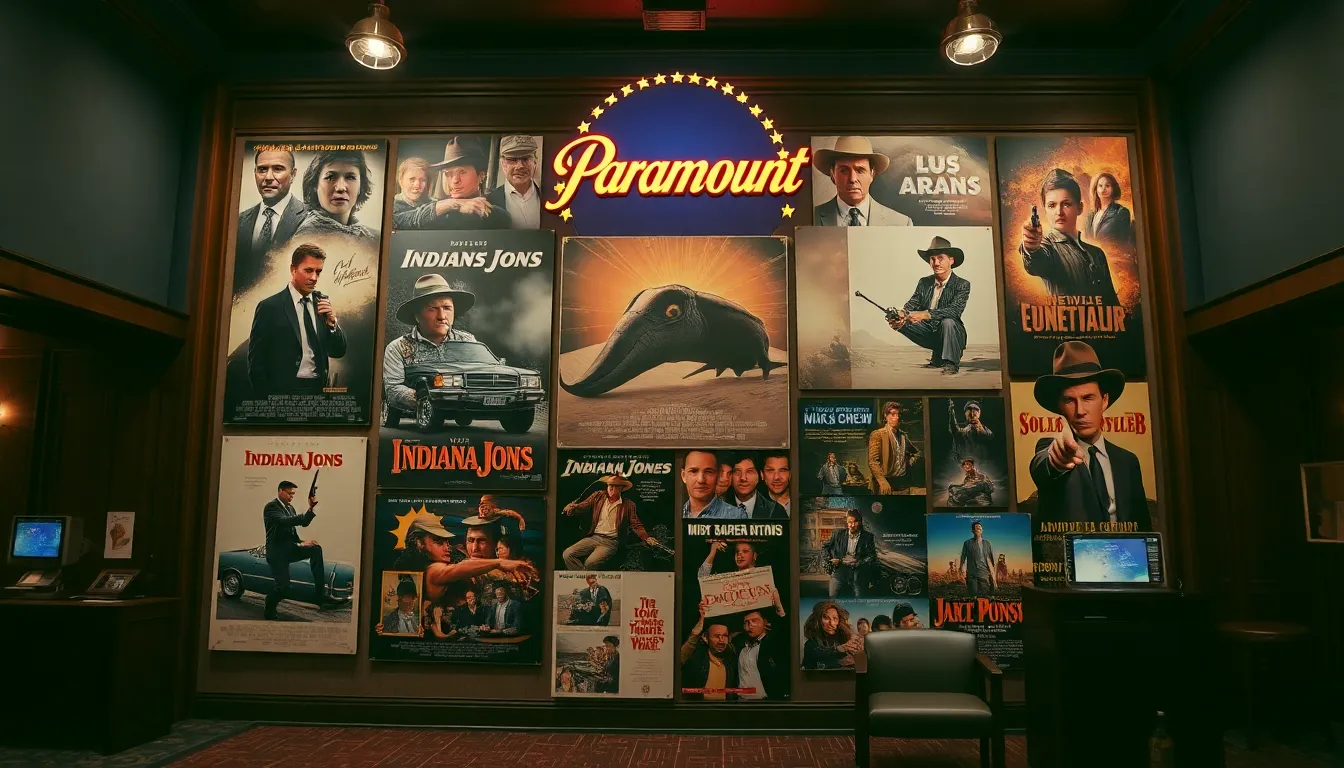
Paramount serves as a traditional film and television studio known for its extensive content library. The platform offers a vast array of iconic movies and shows that have shaped popular culture.
Content Offering
Paramount provides a wide range of content, including classic films and television series. Notable titles consist of The Godfather, Indiana Jones, and various beloved sitcoms. Viewers access various genres, from drama to comedy, spanning several decades. In addition, Paramount routinely releases new films and series, ensuring the library remains relevant and appealing to audiences.
Pricing Structure
Paramount operates under a straightforward pricing model. The service offers options ranging from individual purchases to subscription-based access for some content. Prices vary, with standard rentals typically between $3.99 and $5.99, while purchasing films can range from $9.99 to $24.99 based on the title. This flexible pricing structure allows viewers to choose how they want to access the extensive catalog, catering to different budget preferences.
Key Features of Paramount Plus
Paramount Plus enhances the viewing experience with its broad range of features tailored for modern audiences. The platform combines a rich content catalog with a flexible pricing structure, making it a compelling choice for streaming enthusiasts.
Content Offering
Paramount Plus boasts an extensive library of content. Users access original series like “Star Trek: Discovery,” reality shows, and live sports events, including NFL games and UEFA Champions League matches. Classic films and television shows also populate the platform. Exclusive access to Nickelodeon content enriches the offerings for younger viewers. The platform updates content regularly, providing fresh material for subscribers seeking variety.
Pricing Structure
Paramount Plus features two distinct pricing tiers. The Essential plan costs $5.99 per month and offers on-demand content with ads. The Premium plan, priced at $11.99 per month, includes ad-free viewing, live TV access, and downloadable content. Subscribers can also choose annual plans for potential savings, ensuring that users find a pricing structure suitable for their viewing habits.
Differences Between Paramount and Paramount Plus
Paramount and Paramount Plus serve distinct roles in content delivery. Understanding their differences clarifies the viewing experience for users.
Subscription Models
Paramount operates on a traditional pricing model, offering content for individual purchases or rentals, allowing consumers to pay only for what they watch. Paramount Plus features two subscription tiers. The Essential plan costs $5.99 per month with ads, while the Premium plan, priced at $11.99 per month, provides ad-free content, live TV access, and downloadable options. Annual subscription plans for both tiers offer savings, making it economical for frequent viewers.
Accessibility and Compatibility
Paramount content is accessible via cable services, providing linear viewing. Paramount Plus caters to digital audiences with an app and website, available on various devices, including smart TVs, smartphones, and tablets. Paramount Plus’ flexibility allows viewers to stream on multiple devices simultaneously, enhancing convenience and accessibility in today’s viewing habits.
Understanding the differences between Paramount and Paramount Plus is crucial for viewers looking to optimize their entertainment choices. Paramount offers a rich library of classic films and television shows that appeal to traditional audiences. Its straightforward pricing model allows for easy access to individual titles.
On the other hand, Paramount Plus caters to the modern viewer with its extensive streaming capabilities. It provides a diverse range of original content live sports and family-friendly options. This flexibility and variety make Paramount Plus a compelling choice for those seeking a more dynamic viewing experience. Ultimately the decision between the two platforms hinges on individual preferences for content access and viewing style.