







When a dog suddenly stops putting weight on its back leg, it can be alarming for any pet owner. This behavior often signals an underlying issue that needs attention. Whether it’s a minor injury or something more serious, understanding the cause is crucial for ensuring your furry friend’s health and well-being.
Dogs are active creatures, and any change in their mobility can indicate pain or discomfort. Observing other symptoms like limping, swelling, or reluctance to play can provide valuable clues. By recognizing the signs early, owners can take the necessary steps to address the problem and help their dogs regain their strength and agility.
Understanding Canine Lameness
Canine lameness refers to difficulty in walking or an abnormal gait that often results in a dog favoring one or more legs. Common causes of lameness include injuries, arthritis, tendonitis, and neurological disorders. Understanding these conditions is crucial for pet owners.
Common Causes of Lameness
- Injuries: Soft tissue injuries, fractures, and sprains can lead to sudden lameness. Dogs may exhibit reluctance to bear weight or favor a leg.
- Arthritis: Degenerative joint disease affects many older dogs. Symptoms include stiffness, pain, and reduced mobility.
- Tendonitis: Inflammation of the tendons, often due to overexertion or sudden movements, results in pain and lameness.
- Luxating Patella: This condition occurs when the kneecap dislocates, causing pain and difficulty in walking.
Signs to Monitor
When a dog shows signs of lameness, observe for additional symptoms:
- Limping: Uneven weight distribution and noticeable limping often signify pain.
- Swelling: Inflammation around joints or limbs can indicate injury or underlying issues.
- Change in Behavior: Reduced activity or reluctance to engage in normal behaviors may suggest discomfort.
Importance of Early Intervention
Early identification of the underlying cause can lead to more effective treatment options. Timely veterinary intervention may include medication, physical therapy, or, in some cases, surgery. Owners must seek veterinary advice if lameness persists for more than a few days.
Common Causes of Weight Loss on Back Leg
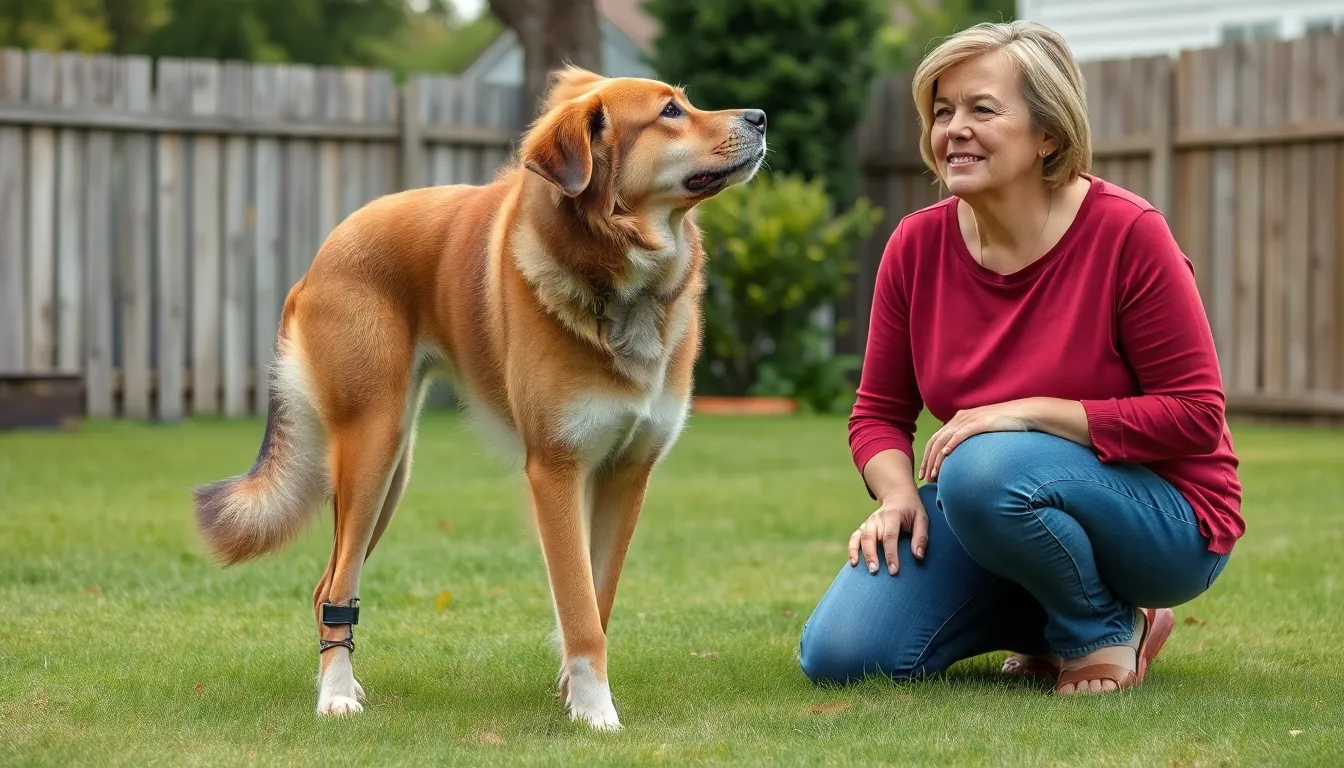
Several factors can lead to a dog not putting weight on its back leg. Identifying the underlying cause is essential for appropriate treatment.
Injuries and Trauma
Injuries often cause sudden changes in a dog’s ability to put weight on a back leg. Common injuries include sprains, fractures, and ligament tears. Symptoms such as swelling, heat, and bruising may accompany these injuries. For example, a torn cranial cruciate ligament (CCL) leads to significant lameness and discomfort. Prompt veterinary attention helps diagnose the issue and initiate treatment, which may involve rest, medication, or surgery.
Arthritis and Joint Issues
Arthritis frequently affects older dogs, causing pain and stiffness in the joints. This condition results in inflammation, leading to decreased mobility. Signs include limping, reluctance to engage in physical activity, and difficulty standing up or climbing stairs. Osteoarthritis is particularly common, and managing it often involves a combination of medication, weight management, and physical therapy. Regular check-ups can assist in monitoring the progression of arthritis.
Neurological Conditions
Neurological conditions can also lead to a dog favoring a back leg. Issues such as intervertebral disc disease (IVDD) or degenerative myelopathy affect the spinal cord and result in weakness or loss of coordination. Signs may include unsteadiness, difficulty walking, or dragging a leg. Diagnosis often requires neurological examinations and imaging. Treatment may involve medication or, in severe cases, surgery to address the underlying problem.
Signs to Look For
Recognizing signs of discomfort is essential for diagnosing the issue when a dog isn’t putting weight on its back leg. Observing behavior changes and conducting a physical examination can reveal critical information.
Observing Your Dog’s Behavior
Monitor your dog’s daily activities for changes. Look for:
- Limping: This indicates pain or discomfort while walking.
- Avoidance of Weight Bearing: A dog may keep a leg raised or prefer to lay down instead of standing.
- Reluctance to Engage: This includes avoiding playtime or not chasing toys.
- Changes in Posture: A hunched back or shifting weight to other legs can signal pain.
- Vocalizations: Whining or yelping when moving can demonstrate distress.
- Reduced Appetite: Loss of interest in food can indicate discomfort.
Physical Examination Techniques
Conducting a simple physical examination can help assess the dog’s condition. Focus on the following methods:
- Palpation: Gently feel the leg and joints to identify swelling or heat.
- Range of Motion Assessment: Move the leg slowly through its full range to check for pain responses.
- Weight Distribution Visualization: Observe how the dog shifts weight while standing.
- Observe Gait: Watch the dog walk to note any abnormalities in movement.
- Joint Inspection: Look for signs of swelling, redness, or deformity around the joints.
By recognizing these signs and employing these examination techniques, pet owners can provide vital information to veterinarians, facilitating accurate diagnosis and treatment.
When to Consult a Veterinarian
Consult a veterinarian if a dog shows difficulty bearing weight on a back leg for more than 24 hours. Prompt professional evaluation prevents potential complications. Consider seeking veterinary help if the dog exhibits any of the following signs:
- Severe pain: Noticeable discomfort during movement or when the affected leg is touched signals the need for immediate attention.
- Swelling: Any visible swelling around the joints or legs indicates inflammation or injury that requires assessment.
- Limping: Persistent limping or an abnormal gait necessitates a thorough examination to determine the underlying cause.
- Reluctance to move: When a dog avoids walking or engaging in routine activities, it may indicate distress or pain.
- Changes in appetite or behavior: Sudden changes in eating habits or normal behavior can suggest health issues that warrant investigation.
Veterinarians often conduct a comprehensive physical exam, which may include imaging techniques like X-rays or ultrasounds. Accurate diagnosis leads to appropriate treatment, whether through medication, surgery, or alternative therapies. Early intervention enhances recovery prospects, and monitoring the dog’s symptoms can assist in providing essential information during the visit.
Treatment Options
Prompt and appropriate treatment options ensure better recovery for dogs that exhibit difficulty bearing weight on their back leg. The choice between conservative management and surgical interventions depends on the underlying cause and severity of the injury.
Conservative Management
Conservative management emphasizes non-invasive treatments for mild to moderate conditions. Treatment options include:
- Rest: Limiting activity reduces stress on the affected leg, allowing healing.
- Ice Therapy: Applying ice for 15 to 20 minutes helps decrease swelling and pain.
- Physical Therapy: Engaging in supervised exercises improves mobility and strengthens muscles.
- Medication: Administering non-steroidal anti-inflammatory drugs (NSAIDs) alleviates pain and inflammation.
- Weight Management: Maintaining a healthy weight can relieve pressure on joints, especially for dogs with arthritis.
- Supportive Devices: Using braces or slings can provide stability and support during recovery.
Surgical Interventions
Surgical interventions target more severe conditions, such as fractures or ligament tears. Types of surgeries may include:
- Cruciate Ligament Repair: This procedure stabilizes the knee joint after a torn ligament, often using techniques like TPLO or TTA.
- Arthroscopy: Minimally invasive surgery allows for the examination and treatment of joint issues, such as loose cartilage or bone fragments.
- Bone Realignment: Correcting fractures or deformities through precise surgical procedures can restore function and mobility.
- Joint Replacement: In severe arthritis cases, replacing a damaged joint, such as the hip or elbow, may be necessary for improved quality of life.
Timely decisions regarding treatment options enhance recovery outcomes, with a focus on the dog’s specific needs and conditions.
Addressing a dog’s reluctance to put weight on its back leg is crucial for their overall health. Recognizing the signs of discomfort and seeking veterinary care promptly can make a significant difference in treatment outcomes. Pet owners should remain vigilant and attentive to their dog’s behavior, as early intervention often leads to better recovery prospects. By understanding potential causes and monitoring symptoms, owners can provide veterinarians with essential information for accurate diagnosis. Ensuring a proactive approach not only aids in recovery but also enhances the dog’s quality of life.