





Table of Contents
ToggleIn the culinary world, mastering advanced cooking techniques can transform a simple meal into a gastronomic masterpiece. Imagine impressing friends with a perfectly sous-vide steak or a delicate soufflé that rises to the occasion—literally! These techniques aren’t just for Michelin-star chefs; they’re for anyone ready to elevate their kitchen game and unleash their inner culinary wizard.
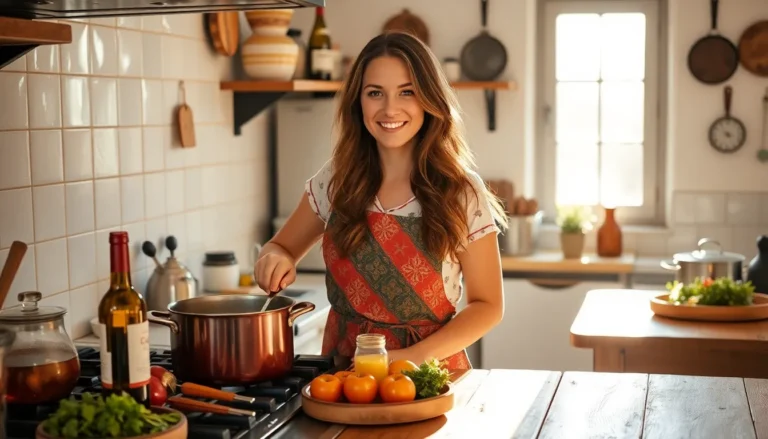
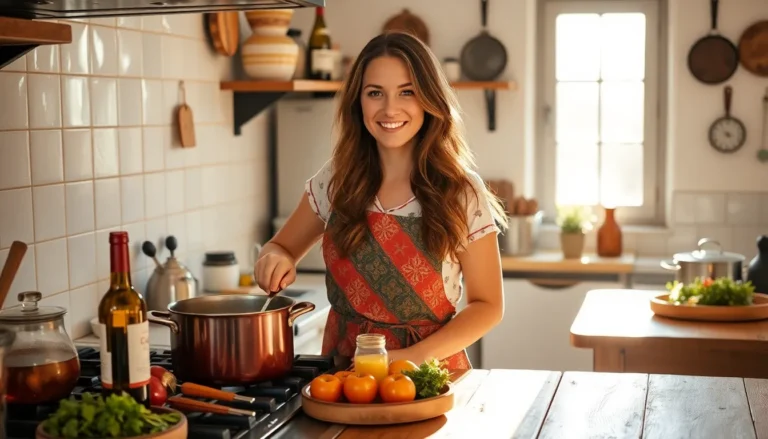
Diving into advanced cooking might sound intimidating, but it’s more about confidence than complexity. With the right guidance, anyone can learn to sizzle, sauté, and sous-vide like a pro. So grab your apron and get ready to turn your kitchen into a playground of flavors and techniques that’ll make even the pickiest eaters swoon. After all, who wouldn’t want to dazzle their dinner guests with a touch of culinary magic?
What Are Advanced Cooking Techniques?
Advanced cooking techniques encompass a range of methods that enhance flavors, textures, and presentation. Sous-vide cooking stands out as a popular approach, where food cooks at precise temperatures in vacuum-sealed bags. It guarantees consistent results, making this technique favored by many home cooks and professionals alike.
Molecular gastronomy introduces creativity and science into the kitchen. Using tools like siphons and food gels, chefs create unique dishes that surprise guests with unexpected textures and flavors. This technique showcases the culinary artistry beyond traditional methods.
Another technique worth exploring is fermentation. By allowing ingredients to transform over time, cooks can develop complex flavors and enhance nutritional value. Fermentation produces items like kimchi and yogurt, which add depth to various dishes.
Foaming techniques are also integral to advanced cooking. Chefs utilize foams to elevate dishes, adding visual appeal and a unique mouthfeel. These foams can result from emulsification, creating a delightful contrast in texture.
Advanced knife skills, including techniques like chiffonade and julienne, enable cooks to prepare ingredients with precision. Mastering these skills not only improves presentation, but also enhances cooking times and consistency in dishes.
Lastly, mastering sauces remains foundational in advanced cooking. Techniques such as reducing, emulsifying, and creating stock provide the backbone for countless recipes. Not only do sauces add flavor, but they also elevate the overall dining experience.
Integrating advanced cooking techniques into meal preparation can significantly elevate culinary creations. Embracing these skills allows aspiring cooks to impress diners and develop their unique culinary style.
Sous Vide Cooking
Sous vide cooking involves vacuum-sealing food in a bag and immersing it in a water bath at a precise temperature. This technique ensures even cooking and retains moisture and flavor.
Benefits of Sous Vide
Sous vide offers several advantages for home cooks and professional chefs. Precision cooking guarantees consistent results, eliminating the guesswork in achieving the desired doneness. Enhanced flavor retention occurs since food cooks in its juices, resulting in a more intense taste. Temperature control allows meal prep flexibility, enabling users to cook meals in advance and serve at peak perfection. Nutritional value is preserved through the quick cooking method, minimizing nutrient loss.
Equipment Needed for Sous Vide
Essential equipment for sous vide cooking includes an immersion circulator or sous vide machine to regulate water temperature accurately. Vacuum-seal bags or zipper-lock bags ensure food remains submerged and free from air. Additionally, a large pot or container accommodates water and food items effectively. Optional tools, such as a food sealer or sous vide rack, help streamline the process further.
Molecular Gastronomy
Molecular gastronomy merges culinary arts with scientific principles, transforming the way food is prepared and experienced. Chefs employ various techniques to create surprising textures and flavors, pushing the boundaries of traditional cooking.
Key Principles of Molecular Gastronomy
Understanding the key principles enhances the molecular gastronomy experience. The interplay of temperature, texture, and flavor forms the foundation of this technique. Temperature influences the state of ingredients, allowing for transformations like gelification and spherification. Texture changes create unique mouthfeel, engaging diners in new experiences. Flavor pairing emphasizes the combination of seemingly unrelated components to enhance taste. Lastly, presentation plays a crucial role, using unexpected visual elements to elevate dishes.
Tools and Ingredients
Essential tools and ingredients are vital for successful molecular gastronomy. A siphon, for example, allows chefs to create foams and airs easily. Alongside this, liquid nitrogen provides rapid freezing capabilities, perfect for creating intricate desserts. Agar-agar serves as a plant-based gelling agent, enabling chefs to craft stable gels and spheres. Other useful ingredients include sodium alginate and calcium chloride, key components for spherification techniques. By selecting the right combination of tools and ingredients, chefs unlock the full potential of molecular gastronomy.
Fermentation Techniques
Fermentation offers unique flavors and health benefits while preserving foods. Mastering fermentation techniques broadens culinary horizons.
Types of Fermentation
Lactic acid fermentation is essential for foods like yogurt and sauerkraut. Alcoholic fermentation produces beverages such as beer and wine. Acetic acid fermentation turns wine into vinegar and creates tangy flavors. Each type relies on specific microorganisms for the fermentation process. These techniques enhance not only flavor but also texture in various products.
Health Benefits of Fermented Foods
Fermented foods boost gut health by introducing probiotics, beneficial bacteria that aid digestion. They enhance nutrient absorption, providing better health outcomes. Additionally, fermentation lowers food pH, which helps inhibit harmful bacteria growth. Studies show fermented foods may improve immune function and reduce inflammation. They can also increase bioavailability of nutrients, adding significant value to a balanced diet.
Smoking and Dry Aging
Smoking and dry aging are two advanced techniques that enhance the flavor and texture of various foods, especially meats. These methods offer unique taste profiles and elevate culinary creations.
Methods of Smoking
Cold smoking and hot smoking represent two distinct smoking methods. Cold smoking occurs at temperatures below 100°F, imparting flavor without cooking food. Commonly used for items like salmon and cheese, this technique requires longer exposure to smoke. Hot smoking, however, cooks the food while adding flavor. Temperatures reach 225°F to 250°F, allowing for both taste infusion and thorough cooking. Using wood chips, such as hickory or applewood, introduces specific aromas to the dish. Proper technique and timing are crucial for achieving desirable results, ensuring that the smoke complements rather than overpowers the food.
The Process of Dry Aging
Dry aging involves hanging meat in a controlled environment to enhance its flavor and tenderness. The ideal temperature for dry aging typically ranges from 34°F to 38°F with low humidity. This method promotes moisture evaporation, concentrating flavors, and encourages enzymes to break down muscle tissue, resulting in a tender texture. Aging periods can last from 14 to 120 days, with longer durations yielding more intense flavors. The outer layer develops a protective crust, which is trimmed away before cooking. This careful process transforms cuts of meat into gourmet delicacies, distinguishing them from their non-aged counterparts.
Mastering advanced cooking techniques opens up a world of culinary possibilities. By experimenting with methods like sous-vide cooking molecular gastronomy fermentation and smoking anyone can transform ordinary meals into extraordinary experiences. These techniques not only enhance flavors and textures but also allow for creativity in the kitchen.
As aspiring cooks embrace these skills they’ll find that confidence grows along with their culinary repertoire. Whether for personal satisfaction or to impress guests the journey into advanced cooking is both rewarding and enjoyable. With practice and the right tools anyone can elevate their cooking game and create memorable dining experiences.