



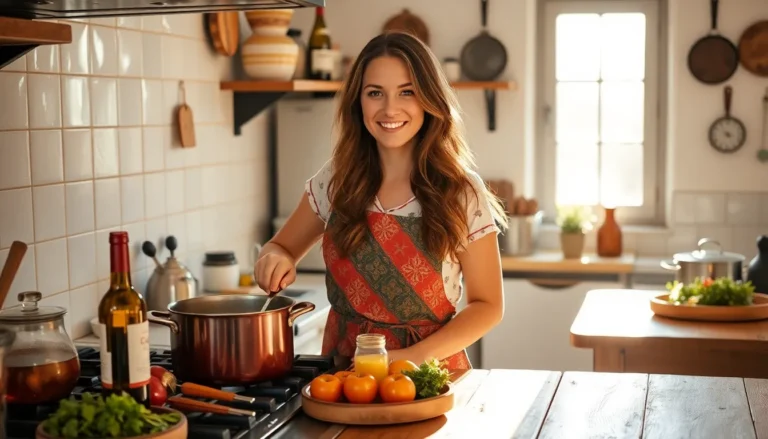



Cooking with wine isn’t just for fancy chefs in star-studded kitchens; it’s for anyone who wants to elevate their culinary game. Imagine transforming a simple dish into a gourmet masterpiece with just a splash of your favorite vino. Whether it’s a rich red to deepen a sauce or a crisp white to brighten a seafood dish, wine adds complexity and flavor that’ll have your taste buds dancing.
Benefits of Cooking With Wine
Cooking with wine offers multiple advantages for home cooks looking to deepen their culinary skills. The incorporation of wine can significantly transform flavors and enhance the overall dining experience.
Enhancing Flavor
Wine introduces complex flavors to dishes. Red wine adds depth and richness, particularly in sauces and stews. White wine enhances lighter meals, such as seafood or chicken, by providing a refreshing acidity. It also contributes aromatic notes, which can elevate even simple recipes. Using a variety of wines allows for diverse flavor profiles, ensuring meals remain exciting. Experimenting with different wines encourages creativity in the kitchen and improves cooking skills.
Tenderizing Meat
Cooking wine improves the tenderness of meats. Acids in wine help break down tough fibers, facilitating a more tender texture. Red wines contain tannins, which also contribute to meat’s softening process. Marinading meat in wine prior to cooking can amplify this effect, ensuring juicy and flavorful results. The benefits of tenderizing vary depending on the wine type, but the overall effect enhances the eating experience. In addition, the infusion of wine flavors during cooking creates a harmonious blend with the meat, raising dish quality.
Types of Wine for Cooking
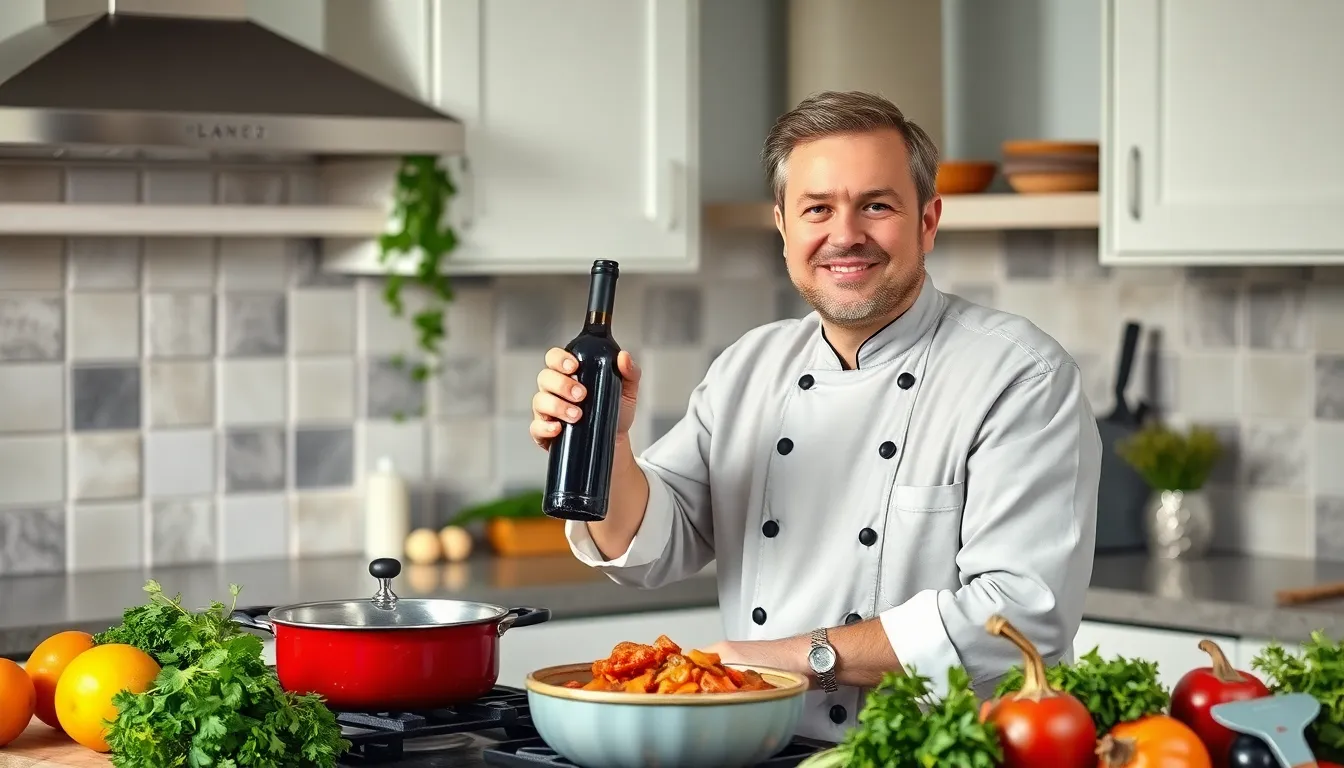
Selecting the right wine can significantly impact a dish. Both red and white wines serve distinct purposes in the culinary world.
Red Wine
Red wine is ideal for hearty dishes, enriching flavors in stews and sauces. Cabernet Sauvignon and Merlot are popular choices. These wines contribute depth and a robust profile, perfect for enhancing meat-based recipes. In sauces, red wine intensifies colors and flavors, making dishes more appealing. When braising meats, red wine’s tannins break down fibers, ensuring tenderness. It pairs well with rich meats like beef and lamb, creating a harmonious balance. Options like Pinot Noir offer versatility for lighter applications, complementing savory dishes without overwhelming them.
White Wine
White wine adds a refreshing acidity, elevating lighter meals and seafood dishes. Varieties such as Sauvignon Blanc and Chardonnay are commonly used. Acidic white wines brighten flavors, making them well-suited for sauces that accompany fish or chicken. Using white wine deglazes pans, releasing flavorful bits stuck to the bottom. This technique enhances the complexity of a dish, allowing the chef to create layered profiles. Enhanced marinades for fish benefit from white wine’s crispness, promoting a delicate balance of flavors. Overall, white wine’s versatility shines in many culinary applications, bringing out the best in ingredients.
How to Choose the Right Wine
Choosing the right wine for cooking involves understanding the dish’s ingredients and flavors. Selecting a wine that enhances the overall profile can elevate a meal.
Pairing Wine With Ingredients
Pairing wine with ingredients requires thoughtfulness. Red meats benefit from bold wines like Cabernet Sauvignon, which complements the richness. Poultry often goes well with Merlot, as it provides harmony without overpowering flavors. Seafood finds an excellent match in white wines such as Sauvignon Blanc, which adds brightness. Vegetables may call for lighter wines; Pinot Grigio works well to maintain the freshness. Each choice directly impacts the dish’s final taste, making careful selection crucial.
Considering Acidity and Sweetness
Acidity plays a vital role in wine selection. Wines with high acidity, like Chardonnay, can brighten rich dishes. Sweet wines, on the other hand, often balance spicy ingredients, making them suitable for certain cuisines. Merlot delivers a velvety texture, while a dry Riesling can enhance flavors in lighter food. Understanding each wine’s sweetness or acidity allows for perfect integration into recipes. Matching these qualities with the dish promotes a harmonious dining experience.
Popular Recipes Using Wine
Cooking with wine opens up a world of flavors. Here’s a selection of popular recipes that showcase the versatility of wine in the kitchen.
Coq Au Vin
Coq Au Vin emphasizes the deep flavors of red wine in a hearty chicken dish. This classic French comfort food combines tender chicken, mushrooms, and bacon, all simmered in a robust red wine like Burgundy. The wine not only infuses the dish with complexity but also tenderizes the chicken, resulting in moist and flavorful meat. Shallots and garlic add aromatic depth, complementing the wine’s rich profile. Longer cooking times enhance the melding of flavors, creating a truly memorable meal.
Red Wine Risotto
Red Wine Risotto creates a delightful creamy dish enhanced by the richness of wine. Arborio rice cooks slowly, absorbing broth and red wine, producing a deep purple hue. Onions and garlic sautéed in olive oil provide a flavorful base. Incorporating cheese at the end adds creaminess, while fresh herbs like thyme give a bright finish. Using a wine such as Cabernet Sauvignon or Merlot brings a layered flavor profile, making each bite indulgent and satisfying. This risotto pairs perfectly with grilled meats or vegetables for a complete meal.
Tips for Cooking With Wine
Cooking with wine enhances flavor complexity. Following some simple tips can improve outcomes.
Avoiding Cooking Mistakes
Consider using the right wine for the dish. It’s crucial to avoid overly sweet wines in savory recipes, as they can disrupt balance. Not deglazing pans with the leftover wine after cooking can lead to missed flavor opportunities. Incorporating wine gradually helps adjust seasoning, avoiding overpowering the dish. Additionally, allowing the wine to simmer removes alcohol while concentrating flavors. Pairing wine with similar flavor profiles ensures a harmonious blend, enhancing the final plate.
Proper Storage and Handling
Storing wine properly preserves quality. Keep opened bottles sealed and refrigerated to maintain freshness. Dark, cool places are ideal for unopened bottles to prevent spoilage. It’s best to avoid extremes in temperature, which can alter taste. Using wine within a few days ensures optimal flavor in cooking. When handling, consider pouring only what’s necessary to minimize oxidation. Understanding wine types and their expiration allows for better planning in meal preparation.
Cooking with wine opens a world of flavor possibilities that anyone can explore. By understanding how different wines interact with various ingredients, home cooks can elevate their dishes and create memorable meals. Whether it’s adding depth to a hearty stew or brightening a delicate seafood dish, the right wine can transform a simple recipe into a culinary masterpiece.
Embracing the art of cooking with wine not only enhances flavors but also encourages creativity in the kitchen. With a few tips and the right pairings, anyone can confidently incorporate wine into their cooking repertoire. So next time you’re in the kitchen, consider reaching for that bottle of wine and let it inspire your next delicious creation.