





Table of Contents
ToggleFrench cooking techniques are the secret sauce behind some of the most delectable dishes in the culinary world. From the artful precision of a perfectly executed soufflé to the rustic charm of a coq au vin, mastering these techniques can transform any home cook into a kitchen superstar. It’s like unlocking a treasure chest of flavors and skills that’ll impress dinner guests and elevate weeknight meals.
Overview of French Cooking Techniques
French cooking techniques play a critical role in culinary arts. Techniques such as sautéing and braising create layers of flavor in dishes. Mastery of the classic method can elevate any home cook’s skill. Emphasis on precision defines these methods, with each technique focusing on specific outcomes.
Sautéing involves cooking food quickly over high heat with minimal fat, allowing flavors to develop rapidly. Braising employs slow cooking at low temperatures, melding flavors through moisture. Roasting, another essential technique, uses dry heat, often in an oven, to enhance the natural taste of ingredients.
Blanching serves a different purpose. This technique involves briefly boiling vegetables, followed by rapid cooling to preserve color and texture. Poaching gently cooks food in water or broth, perfect for delicate items like eggs and fish. Each technique contributes to the overall presentation and taste of the dish.
French sauces, a key component, derive from these methods. Classic sauces like béchamel and hollandaise demonstrate the importance of technique in creating rich flavors. Techniques in emulsification produce stable mixtures, which enhances dishes exponentially.
These fundamental French cooking techniques form the backbone of many beloved recipes. Integration of these methods leads to the ability to create restaurant-quality meals at home. Aspiring chefs find that practice leads to improved comfort and creativity in the kitchen. Engaging with these techniques fosters a deeper appreciation for culinary craftsmanship.
Classic French Techniques
Classic French cooking techniques form the backbone of many culinary traditions. Mastering these techniques allows home cooks to elevate their meals and impress guests.
Sautéing
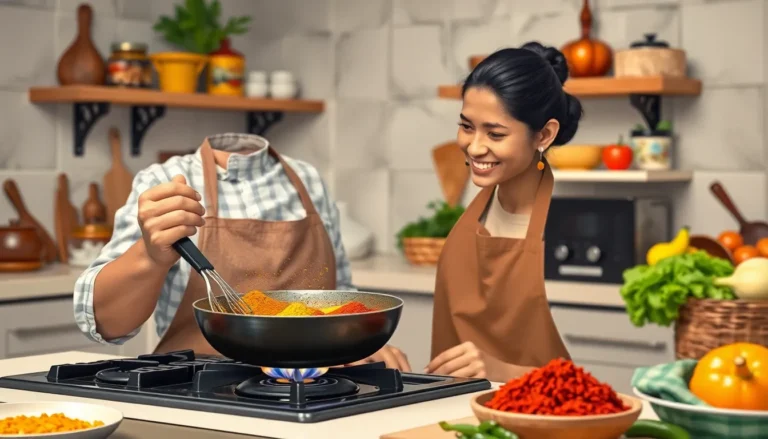
Sautéing involves cooking food quickly in a small amount of fat over high heat. This method enhances the flavors and textures of ingredients, making it essential for dishes like vegetables or proteins. Chefs often use sautéing to achieve a golden crust while retaining moisture inside. Common fats used include butter and oil, which aid in flavor development. When sautéing, it’s crucial to maintain the right temperature to prevent burning. Professionals often recommend using a heavy skillet to ensure even heat distribution. With practice, sautéing becomes an intuitive technique that brings out the best in ingredients.
Poaching
Poaching gently cooks food in a simmering liquid, typically water, stock, or wine. This technique retains moisture and flavor, making it ideal for delicate proteins like fish or eggs. Maintaining a low temperature is key to a successful poach. Cooking at 160°F to 180°F prevents overcooking while ensuring food remains tender. Poaching adds subtle flavors to ingredients, especially when aromatics are included in the liquid. For instance, adding herbs or citrus enhances the taste without overwhelming the dish. Poaching showcases the natural flavors of foods while preserving their textures, offering a refined touch to meals.
Braising
Braising combines both dry and moist cooking methods to achieve rich, complex flavors. First, it involves browning food in fat, followed by slow cooking in a small amount of liquid. This technique is often used for tougher cuts of meat, allowing collagen to break down and create tender dishes. Liquid choices can vary from stock to wine, which deepens the flavor profile during cooking. A slow, low heat over several hours enables the ingredients to meld together beautifully. As the dish simmers, it develops a sauce that complements the main component, creating a hearty and satisfying meal. Braising exemplifies the art of patience in cooking while delivering exceptional results.
Modern French Techniques
Modern French cooking techniques employ innovative methods that elevate classic dishes and inspire culinary creativity. Two prominent methods gaining attention are sous vide and molecular gastronomy.
Sous Vide
Sous vide involves vacuum-sealing food in bags and cooking it slowly in a temperature-controlled water bath. This method ensures precise temperature control, resulting in perfectly cooked proteins and vegetables. Chefs appreciate sous vide for its ability to enhance flavors while maintaining moisture. A steak cooked sous vide achieves even doneness throughout, offering a tender texture. Popular ingredients for this technique include meats, fish, and vegetables, maximizing their natural flavors and nutrients. Sous vide becomes a go-to method for creating consistently high-quality dishes at home.
Molecular Gastronomy
Molecular gastronomy pushes the boundaries of traditional cooking by focusing on the science behind food. Techniques used in this domain include spherification, foaming, and using stabilizers. Chefs experiment with textures and presentations, creating unexpected experiences for diners. Spherification allows fluids to form into gelatinous spheres, bursting in the mouth with flavor. Foaming introduces new textures and flavors, transforming classic sauces into light, airy versions. This approach encourages creativity and innovation, making it a popular choice among modern French chefs looking to impress their guests.
Essential Tools for French Cooking
French cooking requires specific tools that enhance efficiency and precision in the kitchen. Each tool plays a key role in executing traditional techniques.
Chef’s Knife
A chef’s knife remains essential for chopping, slicing, and dicing. Its versatility benefits any dish, making it a cornerstone in French culinary preparation.
Cutting Board
The cutting board serves as a stable surface for food preparation. Choosing a sturdy board helps maintain knife sharpness while ensuring a safe workspace.
Saucepan
A high-quality saucepan supports tasks like sautéing and simmering, ideal for sauces. Opting for stainless steel ensures durability and even heat distribution.
Dutch Oven
The Dutch oven excels in slow cooking and braising, perfect for rich, complex flavors. Cast iron construction retains heat, promoting even cooking for a variety of dishes.
Food Processor
A food processor simplifies tasks like chopping vegetables and blending sauces. This tool saves time and effort, proving invaluable for busy cooks.
Whisk
The whisk aids in emulsifying and blending ingredients, crucial for making dressings and sauces. Stainless steel or silicone options ensure longevity and ease of cleaning.
Baking Dish
A sturdy baking dish supports casseroles and gratins, essential for classic French recipes. Choosing the right size accommodates various portions and styles of cooking.
Mandoline
Mandolines provide uniform slicing, ideal for vegetables and fruits. This tool enhances presentation by creating consistent shapes, elevating dishes visually.
Tongs
Tongs help with flipping and serving food, maintaining control while cooking. They prevent burns and ensure safe handling of hot items.
Fine Mesh Strainer
This tool works wonders for straining sauces and stocks, providing smooth textures. A fine mesh ensures that no solids remain, improving sauce quality.
These essential tools form the backbone of French cooking. With these items, home cooks can master techniques and create gourmet dishes with confidence.
Key Ingredients in French Cuisine
French cuisine relies heavily on specific ingredients that provide distinctive flavors and textures. Fresh produce plays a vital role, with vegetables such as carrots, leeks, and celery forming the base of many classic dishes.
Herbs add depth to flavors; thyme, rosemary, and tarragon frequently appear in recipes, imparting nuanced tastes. Garlic holds an essential place in French cooking, often used to enhance savory dishes and sauces.
Butter serves as a cornerstone ingredient, elevating sauces like beurre blanc and enriching sautéed vegetables. Olive oil, especially in southern France, provides a lighter alternative, used in dressings and for roasting.
Cheese represents another key component, with varieties like Brie and Comté enriching dishes or serving as components in cheese boards. Additionally, cream features prominently, lending richness to sauces and desserts like crème brûlée.
Stock forms the foundation of many soups and sauces, with chicken and vegetable stocks commonly used alongside beef stock for heartier meals. Wine, particularly red and white, enhances flavors in both cooking and accompanying dishes, with a typical use in coq au vin or beef bourguignon.
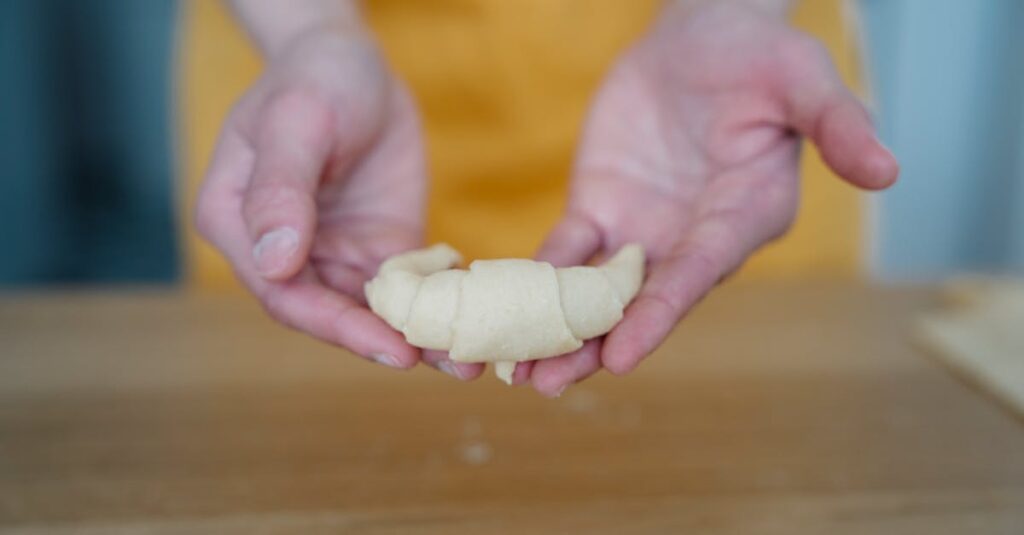
Bread often accompanies meals, serving as an integral part of the dining experience. Baguettes, country loaves, and croissants showcase the skill involved in French baking, offering a perfect pairing for any meal.
Together, these ingredients create a tapestry of flavors, helping home cooks master the essence of French cuisine. By understanding the importance of each component, aspiring chefs can enhance their culinary creations while embracing the artistry of traditional French cooking.
Mastering French cooking techniques opens up a world of culinary possibilities. These methods not only enhance flavors but also elevate the overall dining experience. Whether it’s the precision of sautéing or the creativity of molecular gastronomy, each technique offers unique benefits that can transform everyday meals into gourmet creations.
Equipping oneself with essential tools and quality ingredients further enriches this journey. Embracing these techniques fosters confidence and creativity in the kitchen. As home cooks explore the artistry of French cuisine, they’ll discover the joy of crafting dishes that impress and delight.