






Table of Contents
ToggleIn a city known for its cheesesteaks and soft pretzels, Philadelphia is also cooking up something special in the culinary scene. Imagine chopping, sautéing, and stirring your way to culinary greatness while surrounded by fellow food enthusiasts. Cooking classes in Philadelphia offer a delicious escape from the ordinary, turning novice cooks into kitchen warriors, one recipe at a time.
Whether it’s mastering the art of pasta-making or whipping up gourmet desserts, these classes promise more than just skills—they deliver fun and laughter. Who wouldn’t want to learn how to create mouthwatering dishes while dodging the occasional flying flour? So grab your apron and get ready to unleash your inner chef. With a dash of humor and a sprinkle of creativity, Philadelphia’s cooking classes are the perfect recipe for a memorable experience.
Overview of Cooking Classes in Philadelphia
Philadelphia offers a diverse range of cooking classes that cater to all skill levels, from beginners to experienced chefs. Participants engage in hands-on learning experiences, guided by expert instructors who share their culinary techniques and tips. Classes may cover regional cuisines, international dishes, and specialized skills like baking or knife skills.
Culinary schools and local chefs provide options, ensuring that anyone can find a class that fits their interests. Many establishments focus on seasonal ingredients, emphasizing the importance of fresh produce in cooking. Others may offer unique experiences, such as farm-to-table classes or themed workshops surrounding specific holidays.
Several venues in Philadelphia host these classes in dynamic settings. Participants not only cook together but also enjoy the overall experience, which often includes sharing meals with fellow classmates. This interactive approach makes learning enjoyable while fostering community connections.
Instructors typically provide all necessary ingredients and equipment, allowing participants to dive straight into cooking without concerns. Classes usually range from two to four hours, making them accessible for busy schedules. Many options feature a variety of cuisines, including Italian, Asian, and Mediterranean.
Online platforms also enhance accessibility for those unable to attend in person. Virtual cooking classes have gained popularity, offering flexibility while maintaining a strong sense of community. Live-streamed sessions allow participants to cook alongside others while receiving real-time feedback.
Philadelphia’s cooking classes not only teach essential cooking skills but also motivate participants to explore their culinary passions in a supportive environment. With so many options available, aspiring chefs in Philadelphia are sure to find a class that inspires their creativity.
Types of Cooking Classes
Philadelphia provides an array of cooking classes that cater to different interests and skill levels. Options range from hands-on experiences to specialty cuisine classes, allowing participants to explore various culinary delights.
Hands-On Cooking Classes
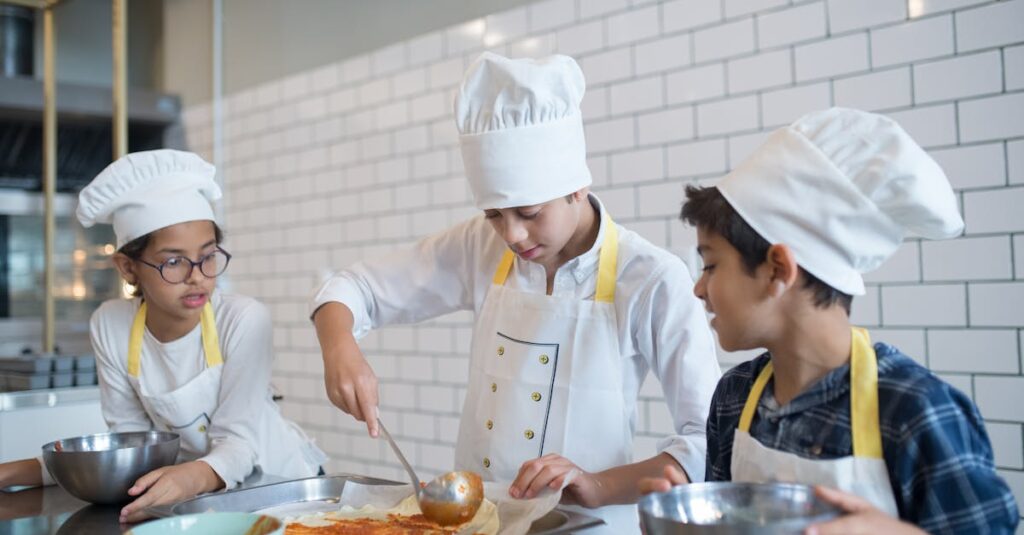
Hands-on cooking classes offer an interactive environment where participants prepare dishes from scratch. These classes emphasize technique as instructors guide students through each step. Attendees develop confidence while mastering recipes for pasta, sauces, and pastries. Many participants appreciate the collaborative atmosphere and the opportunity to learn from peers. Classes typically last two to four hours, making them suitable for busy individuals. Expert instructors provide all necessary ingredients and equipment, ensuring a seamless experience.
Virtual Cooking Classes
Virtual cooking classes have gained popularity, especially for those with busy schedules. These online sessions enable participants to cook from their own kitchens while interacting with instructors and fellow cooks. Live-streamed classes maintain a strong sense of community, as participants share their progress and ask questions in real time. Various cuisines and techniques are covered, allowing for a flexible learning experience. Many find it easy to participate from home, eliminating travel concerns while still enjoying a vibrant cooking atmosphere.
Specialty Cuisine Classes
Specialty cuisine classes focus on specific culinary traditions, providing in-depth knowledge. Participants can choose from Asian, Mediterranean, or vegan cooking themes, among others. Each class typically highlights signature dishes and unique preparation methods. These specialized courses allow aspiring chefs to enhance their skills and broaden their culinary repertoire. Local chefs often share personal insights, enriching the learning experience further. Classes concentrate on using seasonal and local ingredients, fostering a deeper connection to the region’s culinary landscape.
Popular Cooking Schools in Philadelphia
Philadelphia hosts several excellent cooking schools that enhance culinary skills through diverse courses. These schools cater to various interests and skill levels, ensuring everyone can find a class suited to their needs.
The Restaurant School at Walnut Hill College
The Restaurant School offers a comprehensive curriculum focused on culinary excellence. Students engage in hands-on training while mastering essential techniques, from knife skills to gourmet recipe execution. This institution emphasizes real-world experience, with instructors who draw from industry backgrounds. Classes range from workshops on international cuisines to Baking and Pastry programs, each designed to inspire creativity. Locally sourced ingredients are often featured, promoting sustainability. Graduates leave well-prepared for careers in the culinary world, equipped with both knowledge and practical skills.
Sur La Table
Sur La Table features a variety of cooking classes tailored for home cooks. Participants learn in a lively, engaging environment, exploring different culinary traditions and techniques. Classes typically focus on specific cuisines, enabling deeper understanding and expertise in multicultural dishes. Seasonality plays a crucial role, with many classes highlighting fresh ingredients. Workshops on specialty techniques, such as pasta-making or cupcake decorating, draw enthusiasts of all levels. Class sizes remain small, allowing for personalized instruction. This intimate setting encourages questions and fosters learning, making it a popular choice among aspiring chefs.
Benefits of Taking Cooking Classes
Gaining culinary skills offers a range of benefits, making cooking classes an attractive option. Participants develop essential skills, from basic knife techniques to advanced cooking styles. Learning in a hands-on environment fosters confidence in the kitchen.
Networking occurs naturally as participants meet fellow food enthusiasts and expert instructors. Each class provides an opportunity to share experiences and cultivate friendships. Exposure to different cuisines enhances appreciation for global food traditions.
Classes often utilize seasonal ingredients, promoting healthy cooking habits. Emphasizing the importance of fresh produce encourages participants to adopt better eating practices. Engaging in cooking classes also sparks creativity, as individuals experiment with flavors and techniques.
Class formats, whether in-person or virtual, cater to various schedules. Flexibility in options allows anyone to fit cooking into their lifestyle. Receiving immediate feedback from instructors sharpens skills more effectively than self-study.
Improving meal preparation techniques not only saves time but also enhances the dining experience. Participants view cooking as a source of joy rather than a chore.
Local cooking schools in Philadelphia, like The Restaurant School at Walnut Hill College and Sur La Table, focus on practical training and culinary excellence. Enrollments provide insights from local chefs and unique approaches to cooking. Developing culinary skills through structured programs establishes a foundation for lifelong learning in the kitchen.
Tips for Choosing the Right Cooking Class
Research class offerings to find options that align with personal interests and culinary goals. Exploring different types of classes helps identify specific cuisines, techniques, or skills one wants to develop. Consider instructor qualifications and experience; learning from seasoned chefs enhances overall education.
Evaluate class size for optimal interaction and personalized feedback. Smaller groups foster closer connections and allow for more direct guidance. Look for courses that accommodate various skill levels, ensuring participants feel comfortable and receive appropriate challenges.
Compare the duration of classes to suit scheduling needs. Many classes in Philadelphia last between two to four hours, making it manageable for busy lifestyles. Assess whether classes offer hands-on experiences or demonstrations, as each format provides distinct learning benefits.
Review venues to find comfortable and supportive environments. Spaces that emphasize cleanliness and organization enhance the cooking experience. Check the availability of seasonal ingredients used in classes, since fresh produce can significantly improve dish flavors and techniques.
Seek recommendations from friends or online reviews as they provide insights into class experiences. Explore social media channels to discover postings about local classes and see photos of finished dishes. Ultimately, prioritizing enjoyment and engagement with food and cooking makes the class experience rewarding.
Philadelphia’s cooking classes offer an exciting opportunity for anyone looking to enhance their culinary skills. Whether it’s mastering a new technique or exploring diverse cuisines, participants can find a class that suits their interests and skill levels. The vibrant atmosphere and hands-on experiences foster creativity and confidence in the kitchen.
With options ranging from in-person classes to virtual sessions, aspiring chefs have the flexibility to learn at their own pace. Engaging with expert instructors and fellow food enthusiasts creates a sense of community that enriches the cooking journey. Embracing this culinary adventure not only develops skills but also deepens appreciation for the art of cooking.