





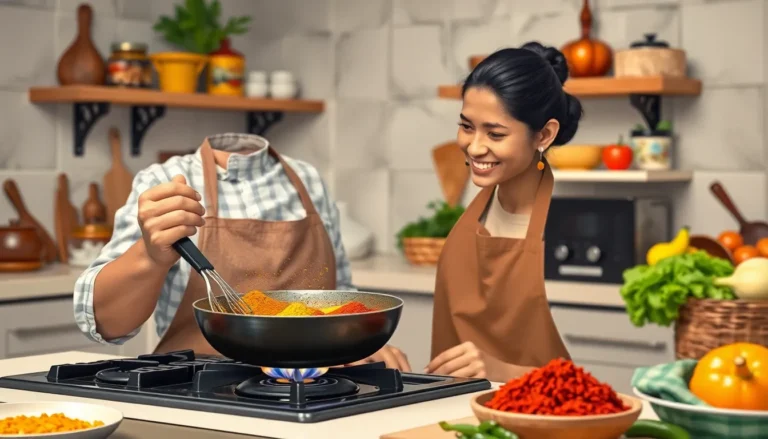
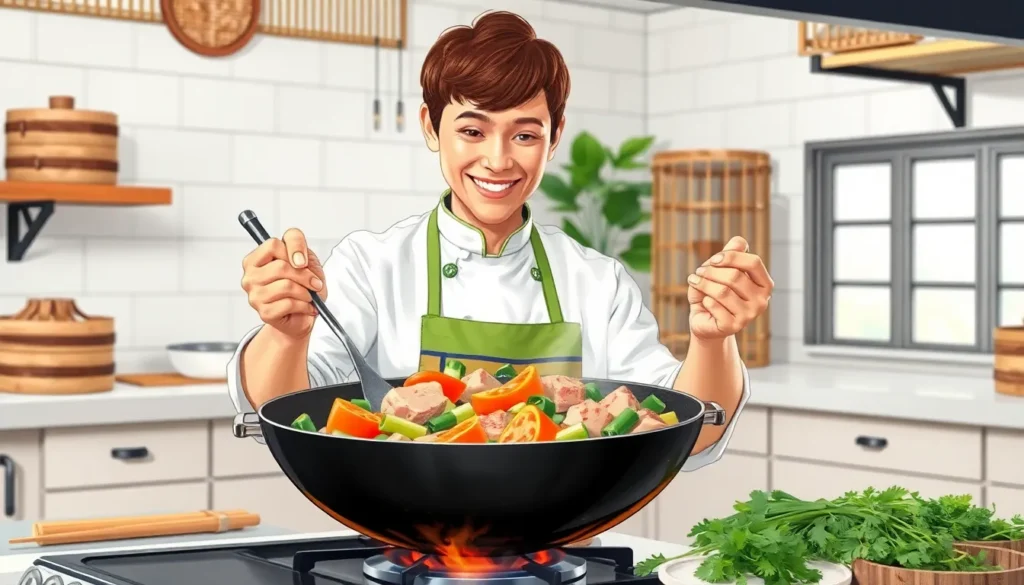
Chinese cooking techniques are like a treasure chest filled with secrets waiting to be unlocked. From the sizzling sounds of stir-frying to the delicate art of steaming, these methods transform simple ingredients into culinary masterpieces. It’s not just about throwing some soy sauce on your dinner; it’s about mastering the skills that make every bite a delightful experience.
Overview Of Chinese Cooking Techniques
Chinese cooking techniques encompass a range of skills that transform simple ingredients into delectable dishes. Stir-frying represents one of the most iconic methods, favoring high heat and quick cooking. This technique preserves the vibrant colors and nutrients of vegetables, while enhancing flavors through rapid movement in a wok.
Steaming is another essential technique in Chinese cuisine, known for its health benefits. It retains moisture and natural flavors without the use of oils. Often used for dumplings, fish, and vegetables, steaming showcases the inherent qualities of each ingredient.
Braised cooking brings a deep flavor profile, combining both moisture and heat for long, slow cooking. This method allows tougher cuts of meat and hearty vegetables to become tender and rich. The process melds seasonings and sauces, resulting in robust dishes that are deeply satisfying.
Deep-frying delivers a crispy texture and rich flavor, transforming foods such as spring rolls and various meats. Proper temperature control is crucial, ensuring a golden exterior while keeping the interior moist. This technique creates an appealing contrast in textures.
Roasting showcases a more fundamental aspect of Chinese cooking, offering an array of flavors and aromas. Techniques like char siu—barbecue pork—demonstrate the art of marinating and slow-cooking to achieve caramelization. The result speaks to both sweetness and umami.
Other methods include poaching and blanching, each serving to enhance the texture and flavor without overwhelming the ingredients. Poaching gently cooks proteins, whereas blanching quickly shock-ends vegetables, retaining their brightness and crunch.
Mastering these techniques lays the foundation for exceptional Chinese cuisine, enhancing the overall dining experience. Exploring these methods unlocks the full potential of ingredients, allowing cooks to create authentic dishes distinct to this culinary tradition.
Common Chinese Cooking Methods
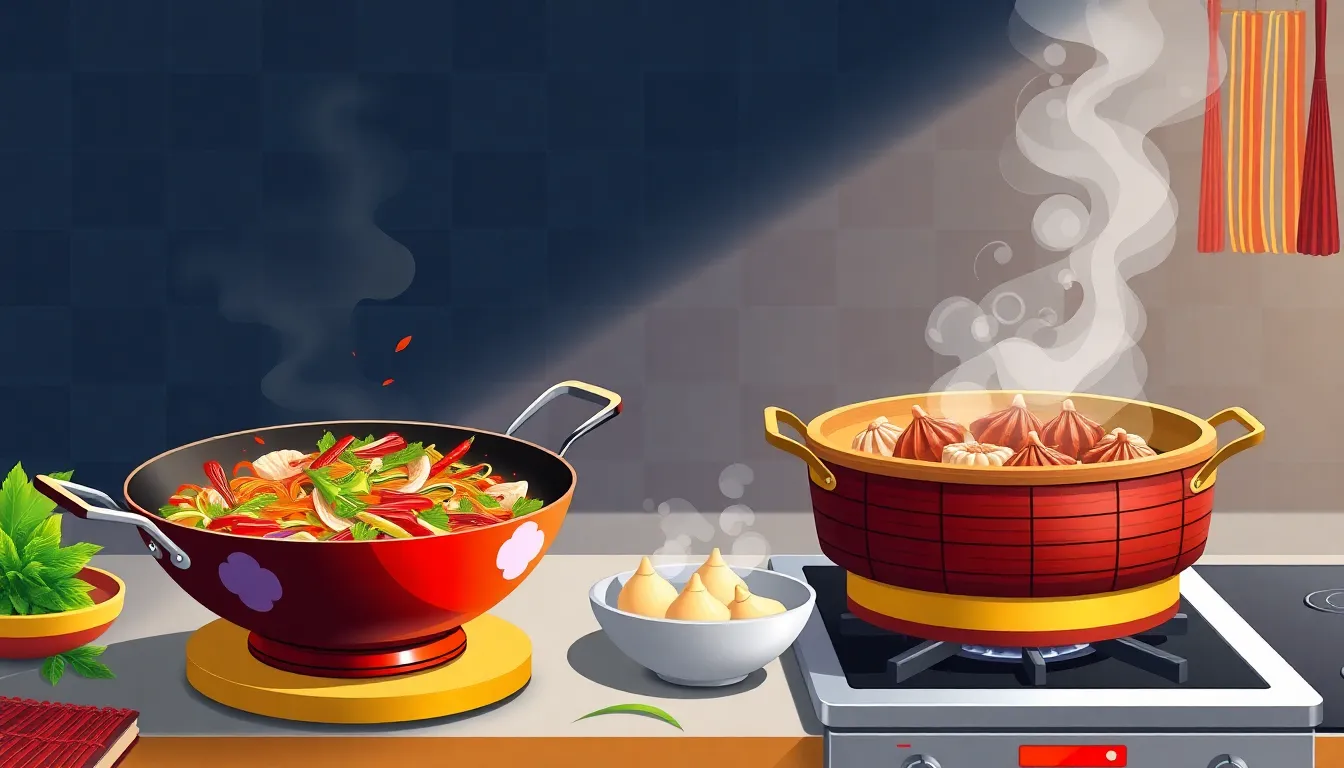
Chinese cooking techniques emphasize flavor and texture, using methods that transform ingredients into delightful dishes. The following methods represent the foundations of this rich culinary tradition.
Stir-Frying
Stir-frying requires high heat and quick cooking times. Chefs use a wok or flat-bottomed pan to continuously toss ingredients, ensuring even cooking. This technique preserves the vibrant colors and nutritional value of vegetables. Garnishing with herbs and spices enhances flavor without overpowering the ingredients. Common dishes include fried rice and chop suey, highlighting the versatility of stir-frying across various ingredients.
Steaming
Steaming is a gentle cooking method that retains moisture and natural flavors. This technique often uses bamboo steamers or metal racks placed above boiling water. Steamed dumplings and fish reflect the health benefits of this method, as little to no oil is involved. Maintaining the integrity of ingredients is crucial, allowing the natural flavors to shine through. Seasoning with soy sauce or vinegar adds a touch of flavor without dominating the dish.
Braising
Braising combines moisture and heat to develop rich flavors. This method starts with browning meat or vegetables in a pot, followed by adding liquid and covering the dish to cook slowly. The combination of liquid and steam enhances tenderness, making braised dishes a favorite in Chinese cuisine. Popular examples include braised pork belly and soy sauce chicken, showcasing deep, satisfying flavors typical of this technique.
Essential Equipment for Chinese Cooking
Essential tools elevate the cooking experience in Chinese cuisine. Two primary pieces of equipment stand out: woks and steamer baskets.
Woks
Woks feature a rounded bottom and high sides, perfect for stir-frying. They allow for high-heat cooking while providing ample surface area for tossing ingredients. Chefs appreciate their versatility for various cooking techniques, including deep-frying and braising. Cast iron and carbon steel woks are common, offering excellent heat retention. Seasoning these woks enhances their non-stick properties, improving flavor profiles. Most importantly, the ability to quickly cook food retains nutrients, vital for healthy meals.
Steamer Baskets
Steamer baskets create a gentle cooking environment for delicate foods. These bamboo or metal baskets permit steam to circulate, ensuring even cooking. Dumplings, fish, and vegetables benefit greatly from training their flavors without added fat. Baskets can be stacked, maximizing cooking space and efficiency. Many cooks appreciate using these for preparing multiple dishes simultaneously. Ideally, they complement a wok for various cooking techniques. Proper timing results in perfectly cooked, moist ingredients that capture traditional flavors in every bite.
Key Ingredients in Chinese Cuisine
Chinese cuisine relies on a variety of key ingredients that contribute to its unique flavors and textures. These foundational elements enhance dishes while reflecting regional diversity.
Aromatics
Aromatics play a significant role in Chinese cooking. Garlic, ginger, and scallions are commonly used to build layers of flavor and aroma. Each ingredient contributes its distinct taste, enriching stews, stir-fries, and marinades. Fresh herbs, including cilantro and basil, are often added to finish dishes, elevating the overall experience. Their vibrant presence not only adds flavor but also brightness to the visual appeal of meals.
Sauces and Seasonings
An array of sauces and seasonings defines the palate of Chinese cuisine. Soy sauce tops the list, providing depth and umami in countless recipes. Oyster sauce adds a rich, savory note, particularly in meat and vegetable stir-fries. Other staples include hoisin sauce and rice vinegar, each contributing unique flavors to dishes. Combining these condiments creates balanced taste profiles, essential for authentic Chinese meals. Szechuan peppercorns introduce a signature numbing sensation, enhancing spicy dishes while adding complexity.
Chinese cooking techniques are a gateway to a world of flavor and creativity. By mastering methods like stir-frying, steaming, braising, and deep-frying, cooks can transform humble ingredients into culinary masterpieces. Each technique not only enhances taste but also preserves the integrity of the ingredients, allowing their natural qualities to shine.
With essential tools like woks and steamer baskets, and a palette of aromatic ingredients and sauces, anyone can explore the depth of this rich cuisine. Embracing these techniques opens up endless possibilities in the kitchen, making every meal an opportunity to celebrate the art of Chinese cooking.