







Eggs are the versatile superheroes of the kitchen, ready to swoop in and save any meal. Whether it’s breakfast, lunch, or a midnight snack, these little orbs of protein can transform into a delightful dish with just a flick of the wrist. But let’s face it—cooking eggs isn’t just about cracking a shell and hoping for the best. It’s an art form, a culinary dance, and sometimes, a comedy show.
Overview of Egg-Cooking Styles
Egg-cooking styles vary widely, showcasing the diverse ways to prepare this versatile ingredient. Boiling creates firm whites and melty yolks. Scrambling, on the other hand, results in a fluffy texture. Poaching preserves the egg’s delicate consistency, yielding a tender white and runny yolk.
Frying produces crispy edges with a soft center. Sunny-side-up eggs sit in a hot pan until the whites firm up, leaving vibrant yolks intact. Over-easy cooks each side briefly, flipping the egg to set the whites while keeping the yolk flowy. Hard-frying allows for a fully cooked yolk and crispy edges.
Oven-baking offers a unique approach to eggs, allowing for dishes like frittatas and shakshuka. Scrambled eggs can be baked in a casserole form, presenting a hearty breakfast option. Alternatively, steaming enhances the texture, creating a soft and smooth egg dish like a Chinese egg custard.
Each cooking method brings out distinct flavors and textures, catering to various preferences. Culinary professionals often experiment to create signature dishes that highlight these styles. Egg-based dishes can adapt to different cuisines, from classic omelets to Japanese chawanmushi.
With so many options available, there’s always a new way to enjoy this staple food. Mastering various cooking styles not only enhances meal variety but also allows individuals to discover the perfect egg dish for any occasion.
Common Egg-Cooking Styles
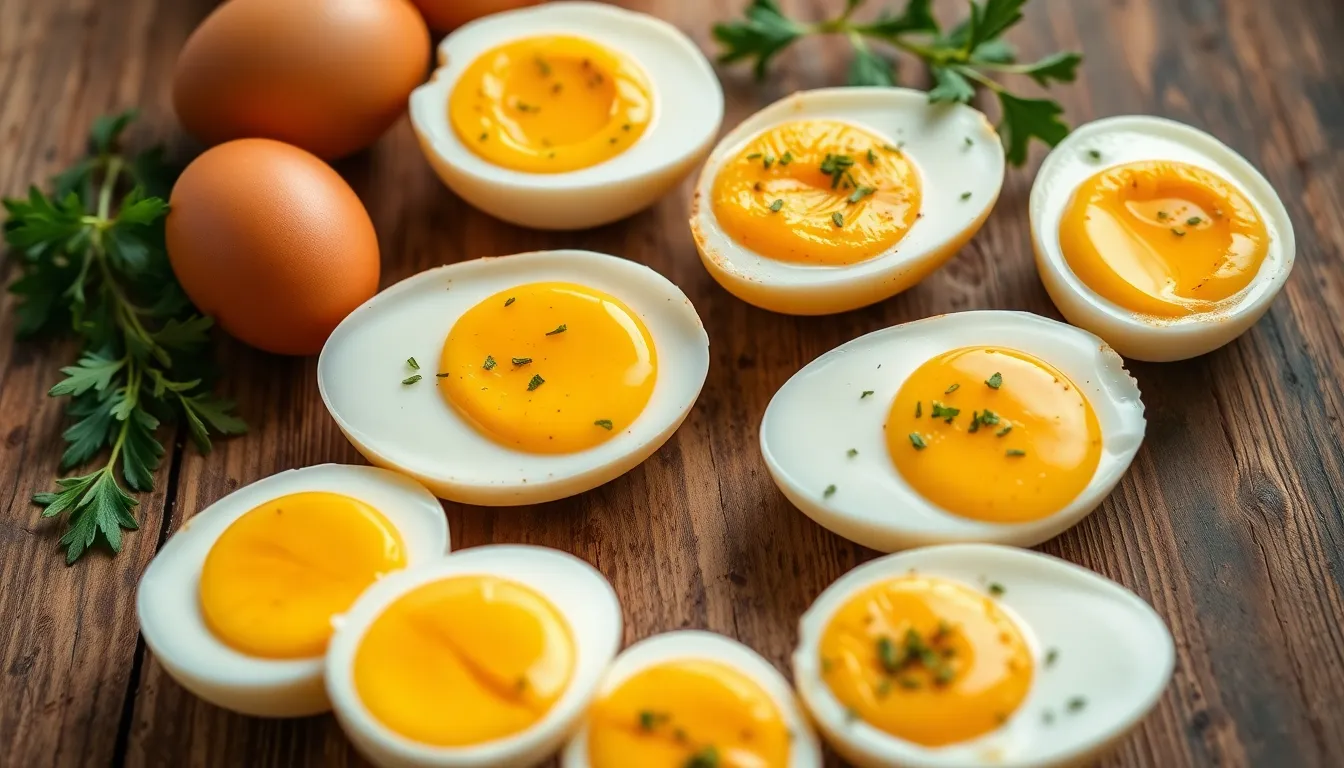
Cooking eggs presents numerous styles that produce a variety of flavors and textures. Below are some popular methods.
Boiled Eggs
Boiled eggs typically come in soft-boiled or hard-boiled variations. Soft-boiled eggs feature runny yolks, cooking for 4 to 6 minutes, while hard-boiled versions cook for about 9 to 12 minutes. Starting in cold water ensures even cooking. Cooling boiled eggs in ice water stops the cooking process and simplifies peeling. Nutritionally, boiled eggs offer a protein-rich option without added fats.
Poached Eggs
Poached eggs require gentle cooking in simmering water for about 3 to 4 minutes. Vinegar added to the water helps the egg whites set more neatly. Poached eggs possess a tender, silky texture with a runny yolk, making them ideal for dishes like Eggs Benedict. Using a finely cracked egg and swirling water creates a more compact shape. This method showcases egg quality and freshness.
Scrambled Eggs
Scrambled eggs involve whisking eggs before cooking them over low to medium heat. Cooking slowly enhances creaminess, while adding milk or cream enriches texture. Stirring continuously ensures even cooking, preventing them from becoming tough. For added flavor, ingredients like cheese, herbs, or vegetables can be incorporated. Perfectly scrambled eggs provide a fluffy experience that many enjoy for breakfast.
Fried Eggs
Fried eggs can be cooked sunny-side up or over-easy, varying in doneness. Sunny-side up eggs maintain a bright yellow yolk, while over-easy eggs receive a gentle flip, cooking the yolk lightly. Using a non-stick skillet with a small amount of oil helps achieve crisp edges. Dining on fried eggs often evokes comfort and familiarity, enhancing their popularity. Topping these eggs with seasonings or sauces elevates flavor.
Baked Eggs
Baked eggs, also known as shirred eggs, require an oven for cooking in a ramekin or baking dish. Cooking at 350°F for about 10 to 15 minutes produces a custard-like texture. Adding cream, cheese, or vegetables can create flavorful combinations. This technique allows for creative flexibility, making baked eggs suitable for brunch or a hearty breakfast. Serving them straight from the oven adds rustic charm to any meal.
Unique Egg-Cooking Styles
Eggs present endless possibilities in the kitchen, featuring creative cooking styles that transform this staple ingredient. Below are some unique methods to prepare eggs.
Sous Vide Eggs
Sous vide eggs reach a precise and consistent texture through immersion in a water bath. Cooking at temperatures like 145°F for about an hour results in a creamy, custard-like consistency that retains flavor. This method allows for error-free poaching, ideal for those striving for culinary perfection. Chefs appreciate the even cooking, making it a popular choice for gourmet dishes. Adding seasonings or herbs enhances the experience.
Cloud Eggs
Light and airy, cloud eggs make a visually appealing presentation that captivates diners. By separating the egg whites and yolks, cooks whip the whites until fluffy and then bake them. A sprinkle of cheese or seasonings before placing the yolk creates an extra burst of flavor. These eggs are not only a feast for the eyes but also provide a delightful texture that differs from traditional egg preparations.
Shakshuka
Shakshuka offers a hearty dish rooted in North African and Middle Eastern traditions. Poached eggs simmer in a flavorful blend of tomatoes, peppers, and spices, creating a comforting meal. This dish can serve as breakfast or brunch and pairs well with crusty bread for dipping. Variations exist, including adding feta or olives, allowing for personal adaptations. The combination of flavors provides a satisfying culinary experience.
Nutritional Benefits of Different Cooking Styles
Boiling eggs offers a low-calorie option, retaining most nutrients without extra fats. Both soft-boiled and hard-boiled variations provide a strong source of protein and essential vitamins. Poached eggs preserve protein content while providing fewer calories compared to frying. The tenderness and rich flavor enhance dishes like Eggs Benedict, promoting both satisfaction and nutritional benefits.
Scrambled eggs, when prepared with minimal fat, maintain a good protein level, allowing for added vegetables or cheese to boost nutritional value. Frying eggs adds flavor, yet can increase saturated fat intake, especially when using oils or butter. Sunny-side up and over-easy styles often evoke comfort, making them popular choices despite their higher calorie content.
Oven-baked eggs, or shirred eggs, create a custard-like texture while allowing customization with vegetables or cheeses, enhancing overall nutrient density. The gentle cooking method helps retain vitamins, offering a balanced option for health-conscious individuals.
Sous vide eggs stand out in nutritional benefits due to precise temperature control, resulting in a creamy texture without losing key nutrients. Cloud eggs offer a different twist; they elevate presentation while allowing for reduced caloric content through fluffy egg whites enveloping the yolk.
Shakshuka provides a hearty meal option combining poached eggs with a rich tomato sauce. The addition of spices and vegetables significantly boosts flavor and nutrients, making it suitable for breakfast or brunch.
Each cooking style not only showcases the versatility of eggs but also contributes unique nutritional benefits, catering to varied dietary needs and preferences.
Eggs truly shine in the culinary world with their incredible versatility and rich flavors. Each cooking style brings something unique to the table, allowing for endless creativity in meal preparation. Whether someone prefers the simplicity of scrambled eggs or the gourmet touch of sous vide, there’s an egg dish for every palate and occasion.
Exploring these different techniques not only enhances one’s cooking skills but also opens up a world of delicious possibilities. As individuals experiment with various styles, they’ll discover new favorites that elevate their dining experiences. Embracing the art of egg cooking can transform everyday meals into extraordinary culinary delights.