





Table of Contents
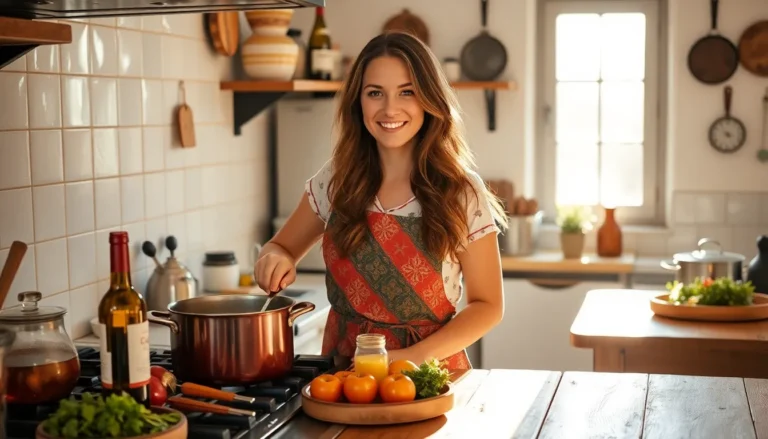
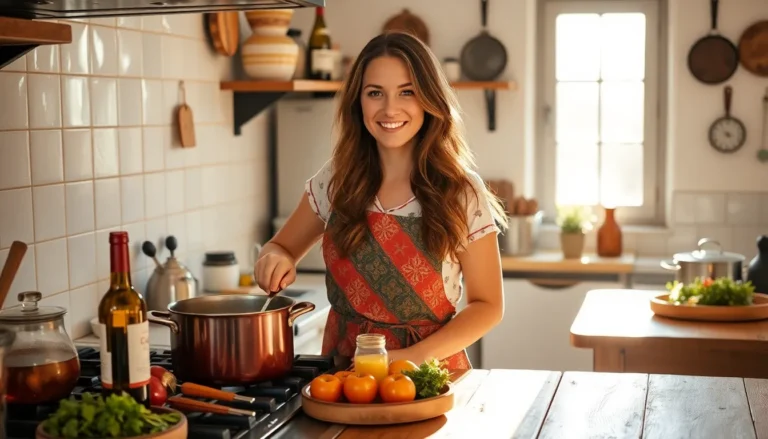
ToggleImagine stepping into a kitchen filled with the mouthwatering aroma of garlic, tomatoes, and fresh basil. An Italian cooking class offers a delicious escape from the ordinary, where anyone can unleash their inner chef and master the art of pasta-making without a passport. Whether you’re a culinary newbie or a seasoned pro, this experience promises to be a delightful blend of laughter, learning, and, of course, tasting.
Overview of Italian Cooking Classes
Italian cooking classes offer immersive experiences that highlight the rich culinary traditions of Italy. Participants engage in hands-on activities, learning to prepare dishes like classic pasta, sauces, and regional specialties. Experienced chefs guide students through each step, ensuring they develop essential techniques and skills.
Many classes focus on specific themes, such as regional cuisines or seasonal ingredients. These thematic classes enhance culinary knowledge while encouraging creativity and experimentation. Students often discover the importance of using fresh, high-quality ingredients that define authentic Italian cooking.
Classes cater to various skill levels, from beginners to seasoned home cooks. Beginners learn fundamental skills like knife techniques and cooking methods. More advanced participants can refine their skills by exploring complex recipes and presentation techniques.
Food and wine pairings are often a key component, enriching the learning experience. Participants might discover which wines complement specific dishes perfectly or how to create a balanced meal. Sharing meals together fosters camaraderie and enhances the overall enjoyment of the class.
Locations for classes range from quaint kitchens to professional culinary schools. Urban centers often feature cooking schools that specialize in Italian cuisine, attracting participants from around the world. Workshops are also available at local restaurants, providing participants with a glimpse into the professional culinary world.
Overall, Italian cooking classes combine education and enjoyment, allowing participants to immerse in Italy’s rich culinary culture while forging connections with fellow food enthusiasts. Each session promises not just skill-building but also memorable experiences centered around Italian traditions and flavors.
Benefits of Taking an Italian Cooking Class
Taking an Italian cooking class offers numerous benefits, enhancing culinary skills and knowledge while providing an immersive cultural experience.
Learn Authentic Techniques
Participants gain insights into authentic Italian cooking techniques. Each lesson covers traditional methods, from rolling pasta to making sauces, ensuring skills translate to home kitchens. Experienced chefs guide individuals through each step, correcting mistakes and refining techniques. Learning bouillabaisse or risotto heightens participants’ appreciation for Italian cuisine. Practicing these skills allows for consistency and confidence in recreating dishes later on. This hands-on approach fosters an understanding of ingredient interactions, essential for mastering flavors. Engaging directly in the cooking process promotes retention of complex techniques, making it easier to replicate meals.
Explore Regional Cuisines
Exploring regional cuisines opens up a world of flavors and cooking styles. Classes often feature dishes from diverse Italian regions, exposing participants to unique ingredients and preparation methods. Emphasizing the significance of local produce showcases how geography influences cuisine. Whether attending a lesson focused on Sicilian seafood or Tuscan soups, individuals experience a rich tapestry of traditions. Participants embrace the stories behind specific recipes and their cultural significance. This exploration encourages culinary creativity, inspiring individuals to experiment with their own interpretations of classic dishes. Immersion in these regional specialties enhances understanding of Italy’s culinary heritage, creating a deeper connection to the food.
What to Expect in an Italian Cooking Class
Italian cooking classes offer a vibrant environment filled with rich aromas. Participants gain hands-on experience preparing delicious dishes, enhancing cooking skills while enjoying the process.
Class Structure and Duration
Classes typically last between two and five hours, depending on the complexity of the menu. A typical session combines demonstration and practice, ensuring participants learn both techniques and recipes. Smaller class sizes, ranging from five to fifteen students, foster interaction with chefs and personalized feedback. Many classes start with an overview of the culinary theme, followed by hands-on preparation. Participants often enjoy the dishes they create or share them in a communal setting.
Ingredients and Equipment Used
Fresh ingredients play a critical role in Italian cooking classes. Participants usually work with seasonal produce, high-quality olive oils, and regional cheeses to create authentic flavors. Classes often utilize essential tools like pasta machines, rolling pins, and chef knives for an immersive experience. Participants also learn how to select and pair ingredients effectively, emphasizing the importance of preserving authentic Italian techniques. Each session typically features dishes that highlight regional specialties, showcasing the rich diversity within Italian cuisine.
Popular Italian Cooking Classes
Italian cooking classes offer diverse options for food enthusiasts, creating unique experiences regardless of location or skill level. Participants can choose between online classes that provide convenience and in-person sessions that immerse them in a communal cooking environment.
Online vs. In-Person Options
Online classes cater to individuals preferring flexibility, allowing participants to join from home. Techniques and recipes shared during these sessions remain accessible at their own pace. In-person classes foster a hands-on learning environment, providing direct interaction with chefs and fellow participants. Shared experiences in traditional kitchens enhance the communal aspect of cooking while allowing for immediate feedback. Each format has its benefits, ensuring everyone can find a suitable option aligned with their preferences.
Notable Schools and Chefs
Numerous culinary schools globally offer reputable Italian cooking classes, attracting aspiring chefs. The Italian Culinary Institute focuses on authentic techniques and farm-to-table practices, providing a deep dive into Italy’s rich gastronomic culture. Notable chefs like Giada De Laurentiis lead workshops that emphasize family recipes and traditional flavors. In Italy, the Alma Culinary School stands out, offering structured programs that cover various regional cuisines. Each of these institutions, along with diverse chefs, guarantees quality education, enriching participants’ culinary journeys.
Tips for Choosing the Right Italian Cooking Class
Selecting an Italian cooking class requires careful consideration. Evaluate the class size, as smaller groups promote interaction with instructors and personalized feedback. Research the class format; options like in-person and online cater to different preferences and schedules. Examine the expertise of the chef leading the class, ensuring they possess a strong background in Italian cuisine.
Consider the course focus, whether pasta, sauces, or regional specialties. Classes that highlight specific themes offer deeper insights into Italy’s culinary diversity. Look for programs that use fresh, seasonal ingredients, as they enhance the learning experience through authentic flavors.
Review participant feedback and ratings to assess the class’s reputation. Positive testimonials often indicate a rewarding experience. Investigate the location, especially if choosing an in-person class, as charming venues can further enrich the cooking journey.
Explore class duration; typical sessions range from two to five hours. Shorter classes may prioritize specific techniques, while longer ones allow for more comprehensive learning. Identify if food and wine pairings are included, which can deepen understanding of Italian culinary traditions.
Align personal skill level with class offerings. Beginners might benefit from fundamental workshops, while advanced cooks may seek challenges with complex recipes. Finally, inquire about the availability of necessary tools and materials, ensuring a hands-on experience that reinforces learning outcomes.
Italian cooking classes offer a delightful journey into the heart of Italy’s culinary traditions. Participants not only gain valuable cooking skills but also create lasting memories through shared experiences and the joy of preparing authentic dishes. The blend of hands-on practice and expert guidance fosters a deeper appreciation for Italy’s rich food culture.
Whether one chooses an online format or an immersive in-person session the opportunity to explore regional flavors and techniques is always rewarding. By selecting the right class tailored to individual skill levels and interests anyone can embark on a culinary adventure that transforms their cooking and enriches their understanding of Italian cuisine.