







In the culinary world, sauces are the secret superheroes that can transform a mundane meal into a flavor-packed masterpiece. Whether it’s a drizzle of tangy vinaigrette or a dollop of creamy Alfredo, sauces have the power to elevate dishes from zero to hero in a matter of seconds. But let’s face it, who has the time to spend hours simmering sauces when life’s too short for bland food?
Quick Sauce Tips Overview
Sauces play a crucial role in cooking, adding depth and complexity to various dishes. Understanding basic sauce techniques can simplify meal preparation while enhancing flavors significantly. Quick sauces can be made in minutes, allowing cooks to elevate meals without extensive effort.
Experimenting with common pantry ingredients can yield impressive results. For instance, mixing olive oil, vinegar, and herbs creates a vibrant vinaigrette suitable for salads or grilled vegetables. Utilizing store-bought options can also save time; combined with fresh herbs or spices, they can taste homemade.
Emphasizing flavor combinations works well in sauce-making. Combining sweet, sour, and umami elements often results in a balanced sauce. For example, adding honey or maple syrup to ketchup delivers a unique twist, suitable for dipping.
Incorporating textures improves sauce enjoyment. Creamy sauces, like yogurt-based dressings or tahini blends, add richness. Utilizing pureed vegetables or nuts creates body and enhances nutritional value.
Adjusting seasoning is essential for a successful sauce. Taste-testing during preparation ensures proper balance. Adding salt, pepper, or citrus enhances overall flavor profiles and invites experimentation.
Utilizing versatile sauces broadens culinary possibilities. Marinades, for example, serve as flavorful additions for meats and vegetables alike. Simple herb or spice-infused oils also provide an easy way to enhance roasted dishes.
Transforming sauces through reduction techniques concentrates flavors. Simmering a stock or wine mixture until it thickens intensifies taste and adds depth. Quick reductions can become the foundation of standout dishes.
Incorporating these quick sauce tips expedites meal preparation while ensuring flavorful outcomes. Understanding these principles fosters culinary confidence, allowing cooks to explore new recipes and techniques.
Types of Quick Sauces
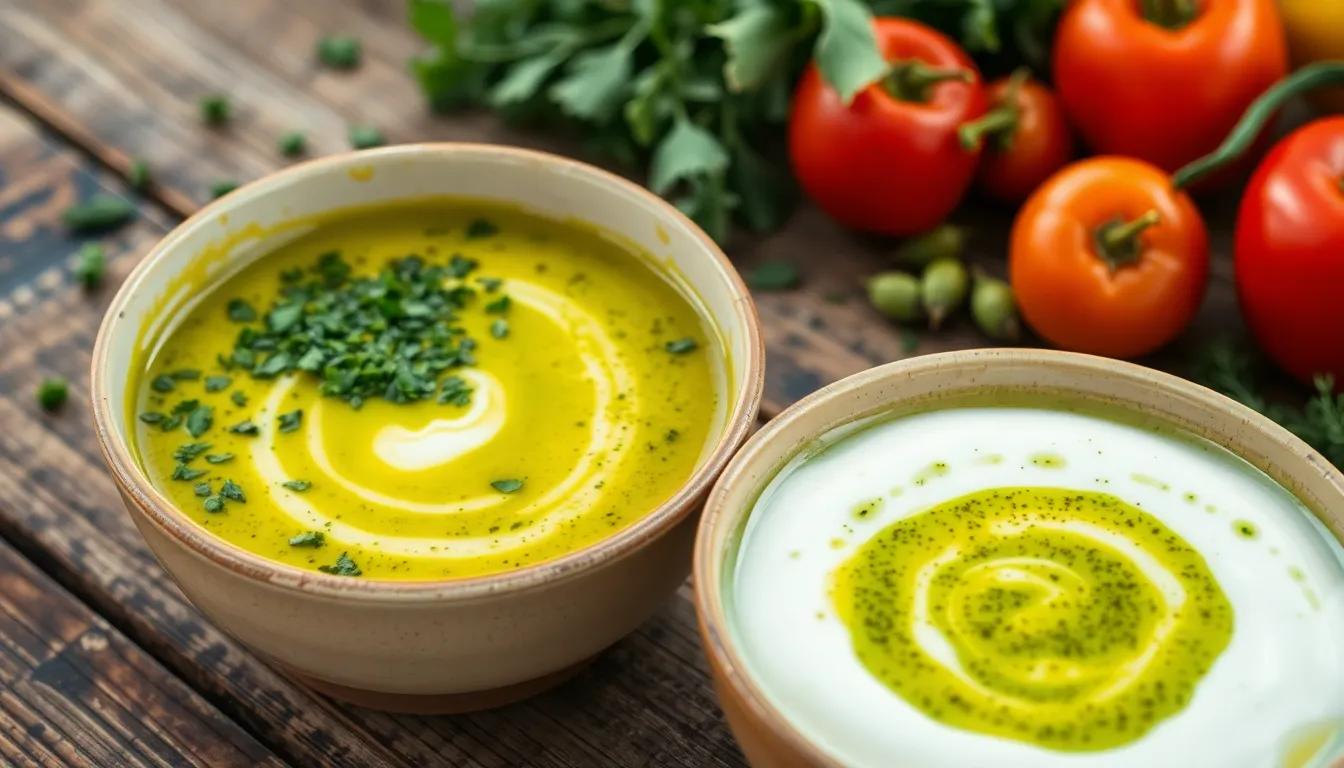
Quick sauces transform meals effortlessly. Utilizing various sauce types can elevate dishes rapidly.
Emulsified Sauces
Emulsified sauces combine oil and vinegar or other liquids into a smooth blend. A classic vinaigrette showcases this technique with olive oil, vinegar, and herbs. When crafting these sauces, incorporate mustard for stability. Ingredients blend harmoniously, maintaining a creamy consistency. Quick variations include mixing yogurt with tahini for a tangy dressing. Emulsified sauces enhance salads, grilled vegetables, and proteins, adding depth to meals.
Reduction Sauces
Reduction sauces concentrate flavors through simmering liquid until it thickens. Reducing chicken or beef stock creates a rich sauce, intensifying umami notes. Adding wine during the reduction process enhances taste profiles. Stirring in fresh herbs or butter at the end adds freshness and richness. Quick reductions complement any protein, from pan-seared chicken to roasted vegetables. Mastering this technique permits cooks to create gourmet-flavored dishes swiftly.
Ingredients for Quick Sauces
Quick sauces rely on readily available ingredients. Utilizing pantry staples and fresh components enhances flavor and convenience.
Pantry Staples
Common pantry items serve as the base for many quick sauces. Olive oil, vinegar, and soy sauce provide essential flavors. Canned tomatoes and broth add depth to sauces. Mustard acts as an emulsifier for dressings. Garlic and onions offer aromatic qualities that elevate a dish. Stocking spices like paprika, cumin, and black pepper ensures a versatile flavor palette. Honey and sugar balance acidity, creating nuanced taste profiles. Moreover, using ready-made sauces as a foundation allows for quick modifications while saving time.
Fresh Components
Fresh ingredients bring brightness and complexity to quick sauces. Herbs like basil, parsley, or cilantro infuse freshness and aroma. Citrus juices from lemons, limes, or oranges add acidity and zest. Fresh garlic or ginger enhances depth and warmth. Vegetables like scallions or tomatoes contribute texture and added nutrition. Nuts or seeds introduce crunch and richness to dressings or dips. Single items like fresh chili peppers provide heat for those who enjoy spicy flavors. Incorporating these fresh components transforms a simple sauce into a gourmet enhancement.
Technique Tips for Quick Sauces
Quick sauces require efficient methods to save time in the kitchen. Utilizing simple techniques eases the sauce-making process while maintaining flavor.
Speedy Preparation Methods
Employing a food processor simplifies sauce preparation. Blend ingredients swiftly for smooth emulsified sauces. Microwaving garlic or shallots softens their intensity, allowing flavors to integrate without long cooking times. Whisking together essential components creates dressings in moments. Use a jar for shaking sauces; this method provides thorough mixing without extra dishes. Keeping sauces in the refrigerator ensures ready access for quick meals.
Flavor Enhancements
Incorporating fresh herbs significantly elevates sauce flavor. Chopping basil or parsley adds brightness immediately. Additionally, citrus zest and juice introduce acidity, balancing other flavors effectively. Using spices like cumin or smoked paprika brings depth and warmth. Drizzling in high-quality olive oil enhances richness and smoothness. Adding a splash of soy sauce or balsamic vinegar infuses umami notes that transform basic sauces into gourmet counterparts. Lastly, tasting frequently during preparation ensures flavors remain well-balanced and enjoyable.
Quick sauces can transform any meal into a culinary delight without requiring extensive preparation. By utilizing pantry staples and fresh ingredients, anyone can create flavorful enhancements that elevate their dishes. Embracing techniques like emulsification and reduction can simplify the process while concentrating flavors.
Experimenting with different combinations and adjusting seasonings ensures a personalized touch. With these quick sauce tips in hand, cooks can confidently explore new flavors and textures, making meal preparation not just faster but also more enjoyable. Keeping sauces on hand and ready to use can lead to countless delicious possibilities in the kitchen.